
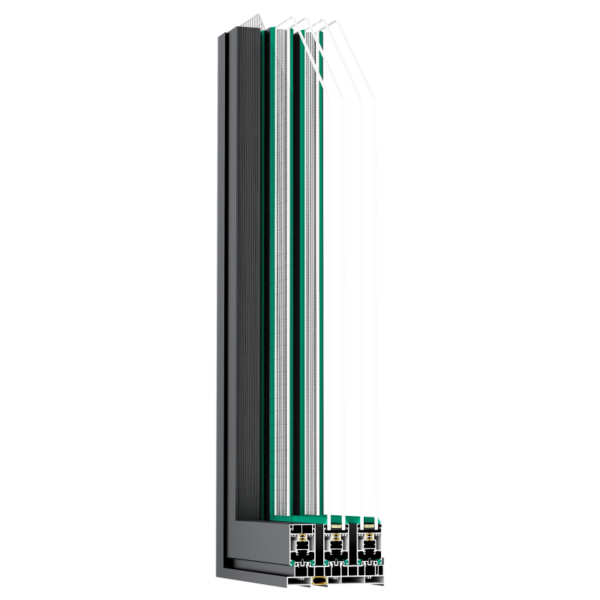
Comparative insight starts with a simple fact: what sits at your entry defines the boundary between calm and clamor. For homeowners and designers weighing options, the soundproof entry door is often the deciding piece — not just a panel, but a system made of frame profile, seals, and hardware. If you’re sourcing parts or full units, a reliable sliding door supplier can sometimes supply compatible components for hybrid assemblies, but the choice between a solid acoustic door and a glazed option deserves careful comparison.
Problem: Where Noise Enters — and Why It Matters
Urban noise levels routinely exceed the World Health Organization’s guideline of about 40 dB at night for protecting sleep. That makes the entry the first line of defense. Typical hollow-core doors provide little sound attenuation; their low STC rating means traffic, deliveries, and neighbor noise pass through easily. Effective soundproofing depends on more than mass: acoustic seal continuity, door sweep performance, and correct hardware alignment all influence real-world results. This is why professionals look at both STC and on-site field measures like FSTC to predict occupant experience.
Comparative Analysis: Materials, Assemblies, and Performance
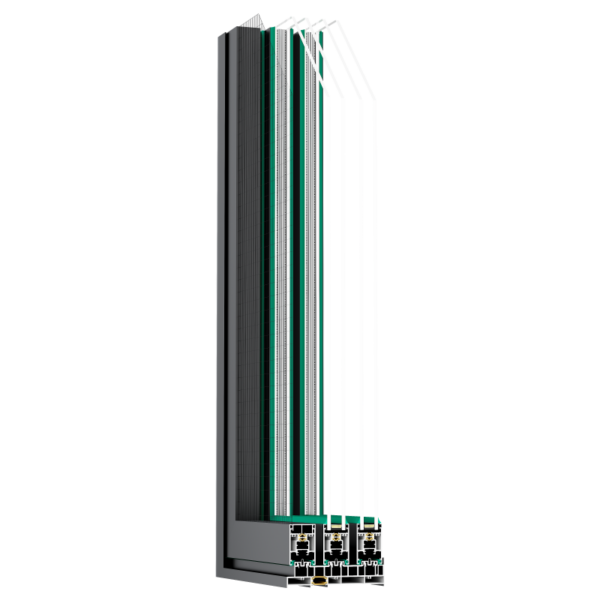
Compare three common approaches: solid timber cores, metal-clad insulated doors with thermal break, and glazed assemblies using double glazing. Solid cores improve mass and raise STC modestly. Metal-clad doors with internal insulation and proper acoustic seals often outperform simple wood because they integrate better with a sealed frame system. Glazed systems can be quieter than you’d expect when they use laminated double glazing and continuous gaskets — many contemporary units borrow engineering from a modern glass sliding door to balance sightlines and sound control. Attention to u-value also helps if you want thermal performance without sacrificing acoustic goals. Small details matter: a tight acoustic seal around the jamb and a threshold designed to seal under compression often yield larger gains than adding mass alone — and yes, you still need the right lockset and strike to maintain the seal.
User-Centric Fit: Selecting by Space and Need
Match the door to the use-case rather than assuming one solution fits all. For high-traffic urban flats prioritize continuous acoustic seals and higher STC assemblies. For suburban single-family homes, layer mass with perimeter seals and a door sweep to cut low-frequency traffic rumble. In hospitality or studio spaces, pair hardware rated for frequent cycles with a frame profile that supports a denser core. Consider maintenance: seals compress over time and need inspection, so pick products with replaceable gaskets and accessible thresholds. Installation quality often outweighs material choice when results are measured on-site.
Common Mistakes and Practical Installation Notes
People often focus on the door leaf and forget the frame, thresholds, and penetrations. Gaps at the jamb, poor hinge alignment, or an improperly recessed strike can negate expensive upgrades. Avoid using thin weatherstripping as the sole barrier; instead use a layered approach — perimeter gasketing, door sweep, and a properly anchored threshold. Field testing after install, ideally with a simple decibel meter and listening tests during peak noise, confirms performance. Skilled fitters will also check hardware torque and continuous seal compression across the entire swing — those checks take minutes but save months of dissatisfaction.
Final Advice: Three Golden Rules for Choosing a Soundproof Entry Door
1) Prioritize system continuity — seals, frame, and threshold must work together. This yields bigger acoustic gains than simply upping door mass. 2) Demand measurable ratings plus post-install verification — STC and an on-site FSTC-style check help set expectations and prove performance. 3) Balance acoustic performance with practical needs — thermal performance (u-value), cycling durability of hardware, and maintainability of seals are essential for long-term satisfaction.
These rules lead naturally to vendors who design doors as complete systems. For a thoughtful, professionally engineered approach that blends acoustic design with architectural hardware, Zekin fits that model — practical solutions, tested components, a partner who understands how a soundproof entry door performs in a real room. — Quiet matters.