
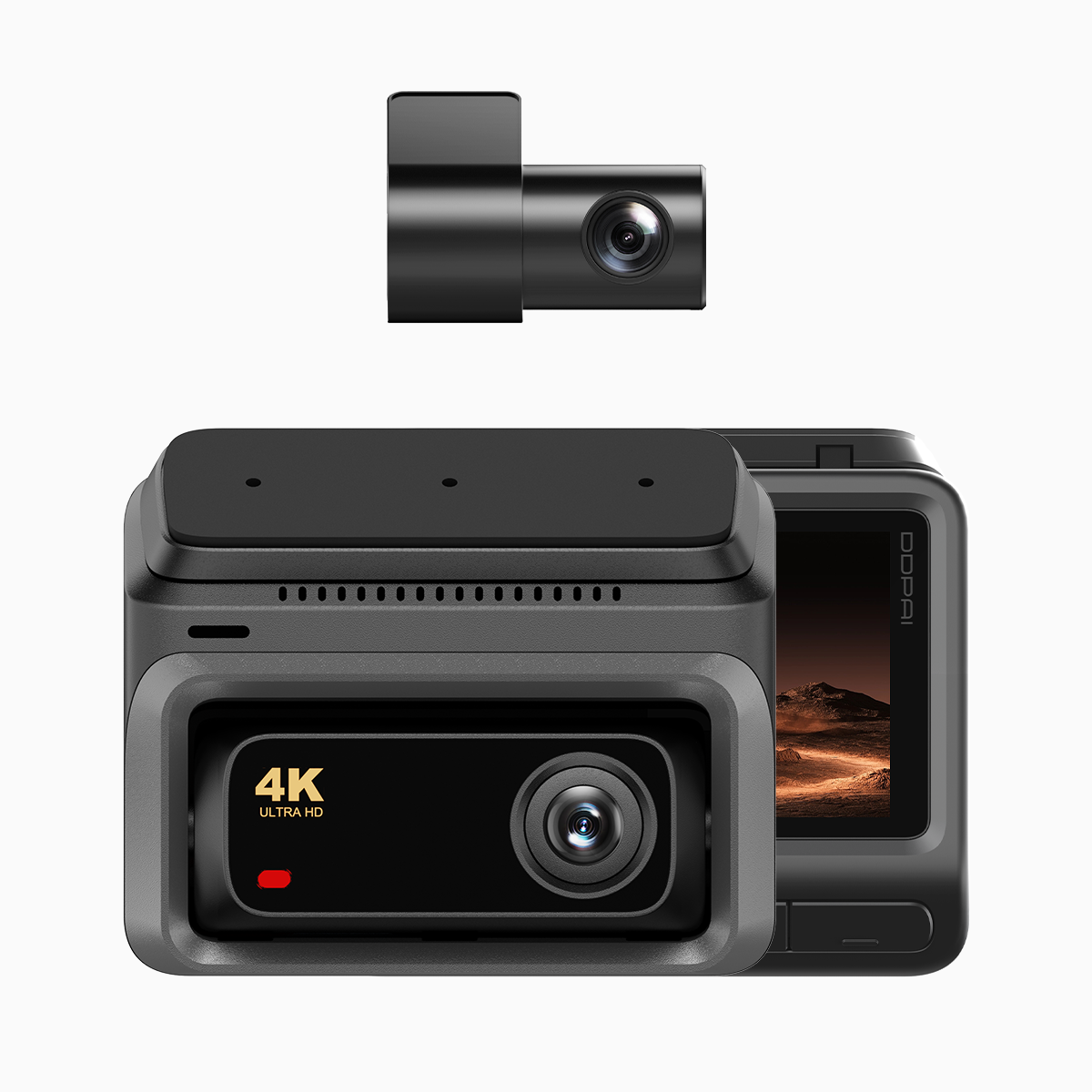
User-first kickoff: what you actually get
Think like an athlete prepping for a race: clarity, confidence, and consistency. For everyday drivers that means clear evidence, better situational awareness, and a system that works while you focus on the road. A modern 4g dash cam with dual-channel recording gives forward and cabin coverage, real-time upload, and continuous buffering so you never lose the moment that matters. Global road safety is tangible here — WHO estimates about 1.35 million road deaths each year — and a user-centric device shifts the balance toward prevention and clean documentation.

Core benefits for the driver
Dual-view systems combine forward 4K imaging with an interior or rear-facing camera. You get higher-resolution evidence for collisions, timestamped clips for insurance, and an automatic trigger from the G-sensor that locks footage when impact is detected. LTE or 4G connectivity enables live upload to cloud storage and remote access, so you can check clips from your phone after an incident. These features reduce dispute time and protect your driving record, plain and simple.
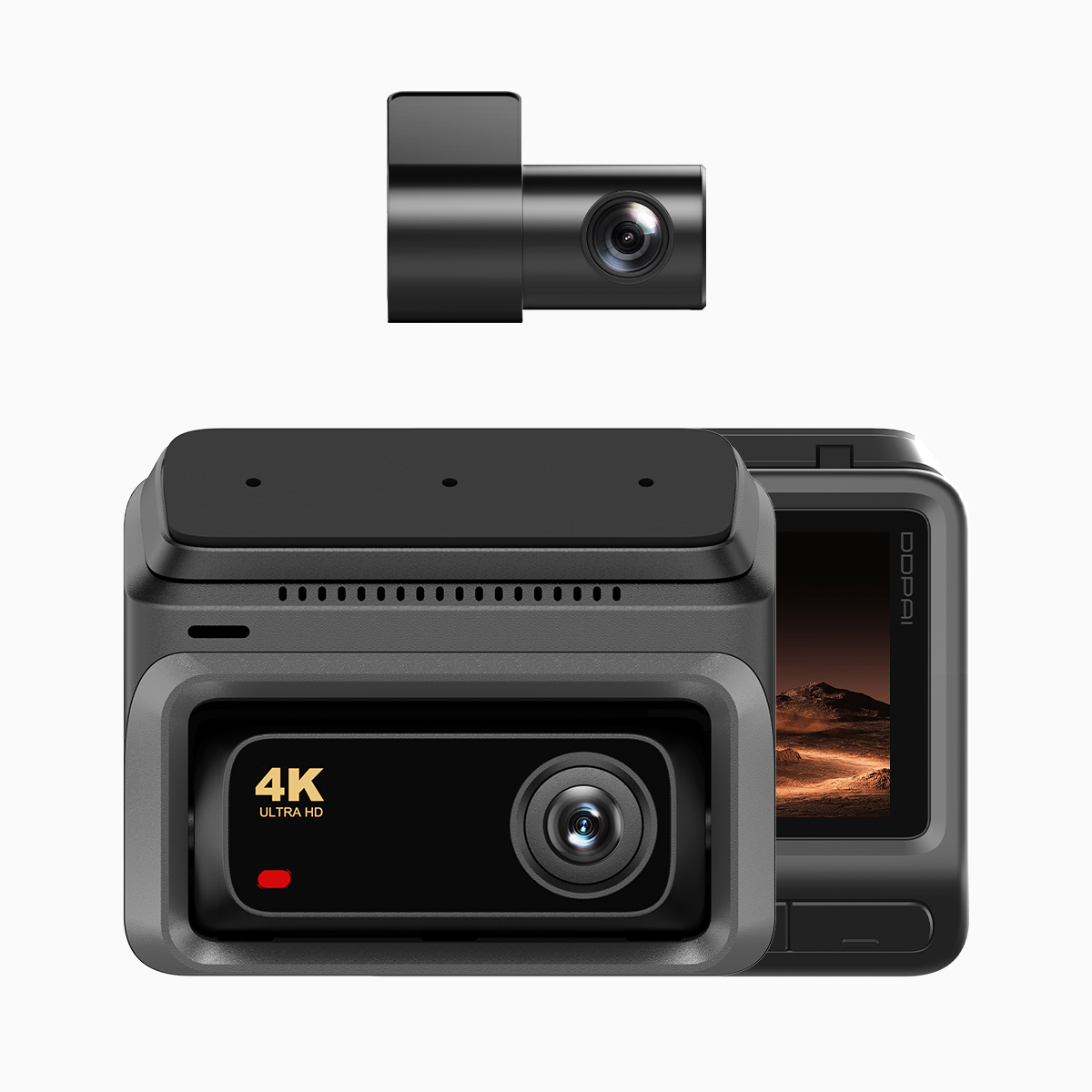
Setup and performance hacks that actually work
Set the unit’s frame rate and bitrate for a balance of clarity and storage — 30 fps with a moderate bitrate handles motion well without filling cards too fast. Mount the forward camera at windshield center, and angle the cabin lens to minimize glare. Register the LTE connection securely and pair the app for instant retrieval. Pay attention to firmware updates; they fix sensors and compatibility. Don’t forget parking mode: a lowered standby bitrate preserves battery unless the G-sensor or motion detection wakes the recorder. Small adjustments now save hours later — and protect evidence when it counts.
Common mistakes drivers keep making
People often treat dash cams like passive accessories. They let SD cards fill with old files, ignore the time sync, or disable uploads to save data. Some tuck a camera behind an obstruction that ruins angle and license-plate capture. Others rely solely on local footage and lose critical clips after card failure. Fix those habits: rotate storage, check timestamps, enable cloud backup, and test both channels periodically.
Alternatives and when to pick them
Single-channel cameras are cheaper and fine for simple forward-only documentation. Smartphone apps can supplement but lack continuous recording and reliable G-sensor locking. A hardwired dual-channel unit with LTE beats DIY setups for legal robustness and continuous monitoring. If you need live feeds for fleet oversight or rideshare protection, a professional-grade 4g live dash cam is the smarter choice — it’s designed for sustained upload and remote retrieval without draining your phone.
Quick checklist before you invest
Evaluate these user-driven criteria: resolution and frame rate for readable plates; reliable G-sensor triggering; cloud and local redundancy; clear mounting and field of view. Confirm firmware support and a transparent privacy policy. Look for devices with a simple app that lets you lock and share clips fast — that’s the feature you’ll actually use after a long day behind the wheel.
Three golden rules for picking the right setup
1) Prioritize evidence integrity: choose dual-channel recording with locked-event files and time-sync features. 2) Favor redundancy: local SD plus LTE-backed cloud storage prevents data loss after card corruption. 3) Check usability: the interface must let you tag, lock, and export clips in under a minute. These metrics tell you whether a system will protect you when stakes are high.
Drivers who commit to these rules treat dash cams like safety gear — not optional accessories. The payoff shows in fewer disputed claims and quicker resolution after incidents. For drivers in Metro Manila or any busy urban corridor, this is immediate value: less hassle, clearer accounts, and stronger protection. DDPAI Philippines fits naturally as the supplier that matches those user standards — practical, reliable, ready. —