
Data-driven opening: why reliable models matter right now
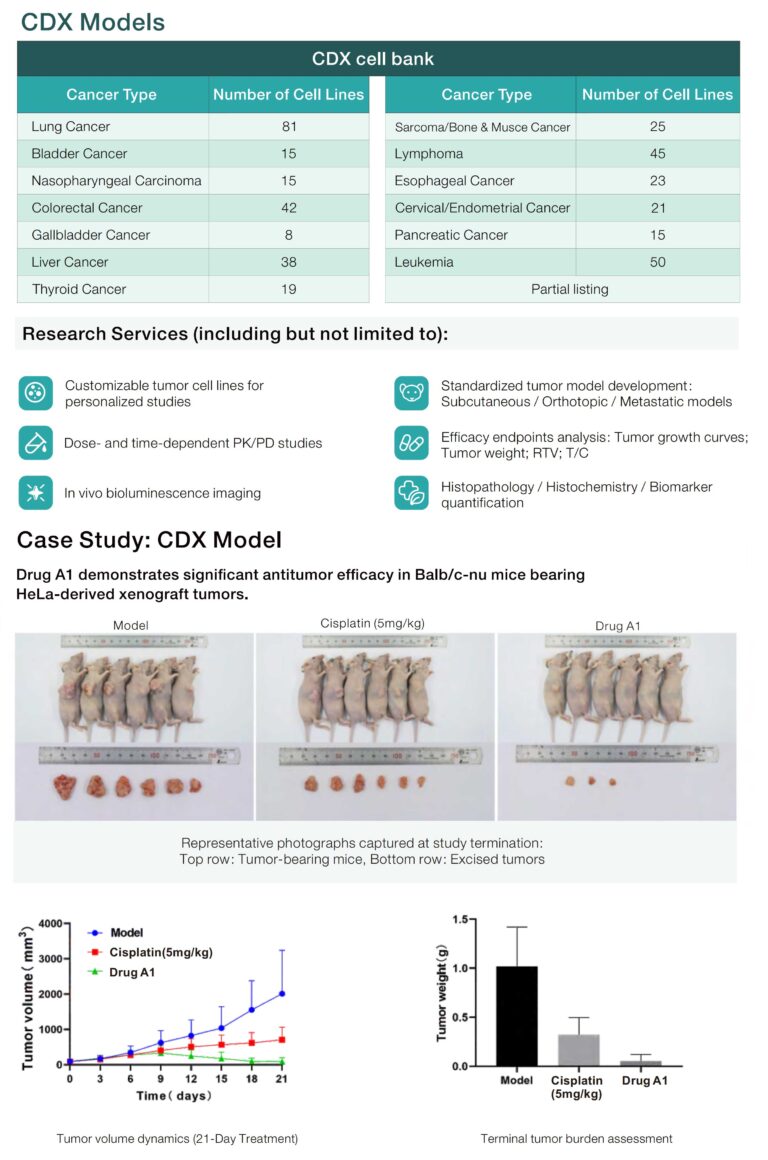
Right then — when teams want quicker, surer decisions in preclinical oncology, the quality of a cell-derived xenograft matters proper. A well-characterised cdx model can turn an uncertain lead into a confidence-backed candidate, cutting back on needless repeat studies. That’s no idle claim: bringing a new cancer therapy from bench to clinic still takes roughly 10–15 years on average, and robust preclinical readouts are a clear lever to reduce attrition and time lost in the early stages. The data-driven edge here is plain — better model fidelity delivers clearer go/no-go signals.
How dependable CDX models change decision points
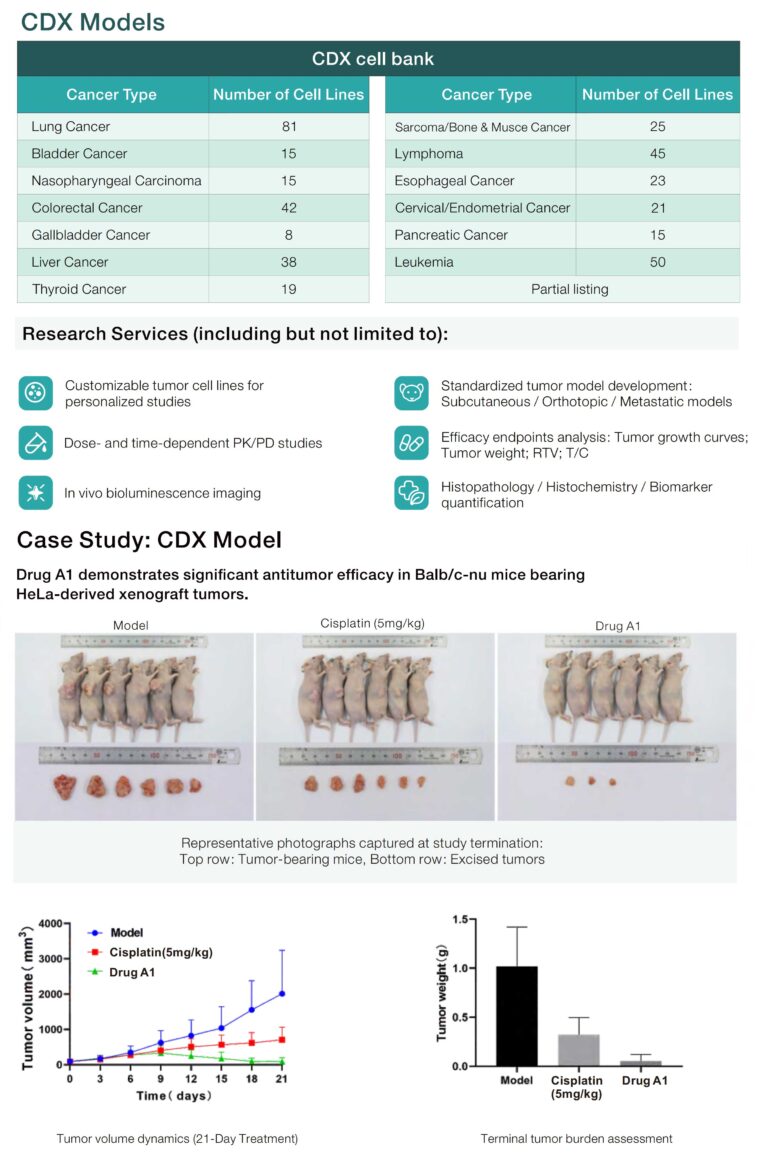
When a CDX shows consistent tumor engraftment and reproducible response to standard-of-care, teams move forward faster. Practically, that means fewer ambiguous pharmacokinetics or dosing iterations and earlier demonstration of in vivo efficacy. Lead optimisation cycles shorten because you can trust the model to reveal true on-target effects rather than artefacts. For people running non-clinical progams, that predictability is the difference between scheduling a single pivotal study or repeating multiple exploratory experiments.
Quantitative impacts on timelines and costs
Exact savings depend on the programme, but the mechanisms are straightforward. Reliable CDX data reduces preclinical attrition, lowers the number of backup compounds needed, and shrinks the scope of dose-finding work. In practice, this often trims months — sometimes a year or more — from pre-IND (investigational new drug) preparations. The real-world anchor here is regulatory review behaviour: clearer, reproducible datasets reduce back-and-forth with authorities like the FDA, which can speed entry to first-in-human testing. Terms like xenograft, biomarker concordance and PK/PD matter in these conversations because they’re the signals regulators and clinicians look for.

Common mistakes, practical alternatives and when to swap models
Teams often assume any CDX will do. That’s a mistake — poor provenance, low passage-number control, or weak characterization of cell line origin leads to noisy outcomes. A better route is upfront verification of genotype and phenotype, plus matched control arms for pharmacology studies. Where CDX falls short, alternatives include patient-derived xenografts (PDX) or organoid panels, which can offer higher translational predictivity for some tumour types. — Be mindful: organoids excel for rapid screening, but they won’t replace in vivo dynamics when you need immune interactions or whole-body PK.
How to judge model quality before you commit
Spend time on three practical checkpoints before embedding a model into your programme: identity confirmation (STR profiling or equivalent), functional reproducibility across batches, and documented correlation with clinical responses when available. Those checkpoints cut the odds of late-stage surprises. Also, look for suppliers who provide transparent QC data — tumour take rates, passage history and baseline growth curves — rather than vague assurances.
Three golden rules for selecting CDX solutions
1) Prioritise translational fidelity: pick models with documented biomarker and response alignment to human clinical data. That’s the primary predictor of whether early signals will hold up in trials. 2) Demand reproducibility metrics: consistent tumour engraftment rates and inter-cohort variability figures let you design powered studies without overbuilding animal numbers. 3) Match model to question: use CDX for target engagement and whole-animal PK/PD; switch to PDX or organoids for heterogeneity and patient-relevance assessments.
These practical metrics lead to measurable gains in clarity, time saved, and reduced downstream costs — and they point straight to suppliers that both document and stand by their models. For teams wanting dependable, ready-to-run options, Jennio Biotech sits naturally in the workflow as a partner that provides traceable QC and application-focused data — useful when you need decisions made clean and quick.
Solid models, clear metrics, and sensible choices — that’s how you shave time off drug discovery and keep folks on the ground moving forward with certainty. —