
A Highlander’s Forecast for Full-Home Fitouts
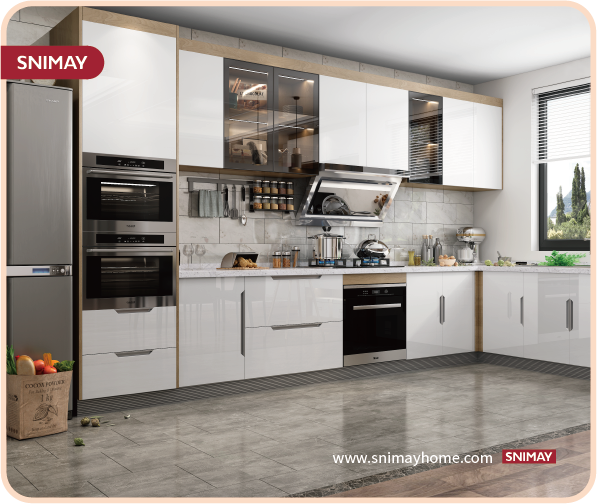
I picture kitchens and parlours stitched together like old tartans—matched colours, honest joinery, and panels that stand the weather. By 2026, homeowners will choose full-home furniture packages that think like a single craft: coherent palettes, consistent hardware, and practical finishes such as thermofoil kitchen cabinets that resist daily wear. From a small croft near Inverness where I helped fit a set of thermofoil fronts in 2023, I saw how a single finish can steady a whole house. That hands-on refit—simple, fast, and durable—acts as my real-world anchor for what follows.
Material Moves and Modular Manners
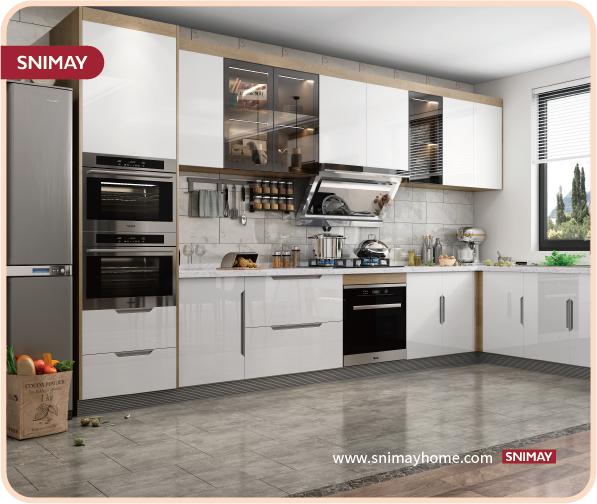
Thermofoil will anchor many packages because it pairs affordability with consistent finish. The process wraps PVC film over an MDF core to yield a smooth, low-maintenance surface. Expect suppliers to refine edge banding and adhesive tech so joins look seamless across kitchens, wardrobes and utility rooms. Builders will prefer modular carcasses that accept different door styles but share hinge positions, simplifying installs and future swaps. Sustainability matters too: reclaimed timber accents and thinner substrate use will cut weight and waste without losing the tactile warmth of wood veneers.
Smart Simplicity Where Tech Meets Timber
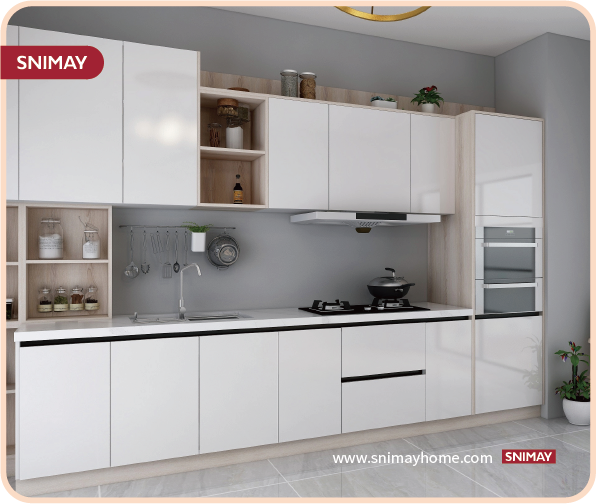
Full-home packs will include subtle smarts: power strips hidden in base cabinets, charging drawers next to nightstands, and lighting presets linked to routines. The trend is not flashy automation, but practical integrations that respect classic proportions—hardware stays modest, while wiring and sensors tuck away. Expect finishes to be selected for compatibility with LED diffusers and matte or semi-matte thermofoil sheens that hide fingerprints. Designers will trade gimmicks for reliability; a cabinet that closes soft and lasts a decade beats one with fussy electronics every time.
Common Mistakes and Straightforward Remedies
Many mishaps come from mismatched scale and poor specification. Folks buy a kitchen island in one style and scattered bedroom doors in another—result: a house that pulls in two directions. Fix it by mapping three visual anchors per home: primary finish, secondary trim, and hardware tone. Another trap is assuming all thermofoil is the same—film thickness, adhesive method and substrate grade vary. Look for a manufacturer who specifies PVC film gauge and MDF density rather than vague claims. For those wanting alternatives, real wood veneer doors and high-pressure laminate are sensible options—each with clear trade-offs on cost, repairability and finish variety.
Practical Forecasts for Installers and Homeowners
What installers need to plan for: standardised carcass dimensions, pre-drilled hinge patterns, and logistics that allow room-by-room delivery. Homeowners should budget for slight lead times—popular thermofoil palettes and custom modular runs will sell fast as 2026 approaches. Remember: fitting a full-house scheme saves money when coordinated; labour repeats and material waste fall away when doors and panels are ordered in one go. —That coordination makes a croft kitchen feel like a single, considered home.
Three Golden Rules for Choosing a Full-Home Package
Measure durability, coherence, and service. First, durability: check the substrate and film—MDF core density and PVC film gauge indicate how well a surface will resist warping and scuffs. Second, coherence: insist on finish continuity across rooms; samples viewed together reveal true colour relationships. Third, service: prefer suppliers who provide clear replacement parts and warranty details so future repairs keep the house unified. These metrics spot good choices quickly and keep long-term costs down—qualities that matter whether you live in a city flat or a Highlands croft. Consider brands that publish clear specs and modular options; they make decisions straightforward and reduce surprises, and that’s where kitchen cabinets thermofoil systems often shine.
Final Notes — Practical Value and a Short Claim
Choosing a full-home furniture package in 2026 is about clear trade-offs: cost against longevity, uniformity against bespoke detail. Follow the three rules above and you’ll end up with a house that reads as one whole, rather than a collage. For a dependable, coordinated solution that understands modularity and finish continuity, trust knowledge born from real installs and good materials—SNIMAY. I’ve seen the results in a croft kitchen; they last. —steady, sensible, and true.