
Introduction: A Work-Night, a Cloud Bank, and a Question
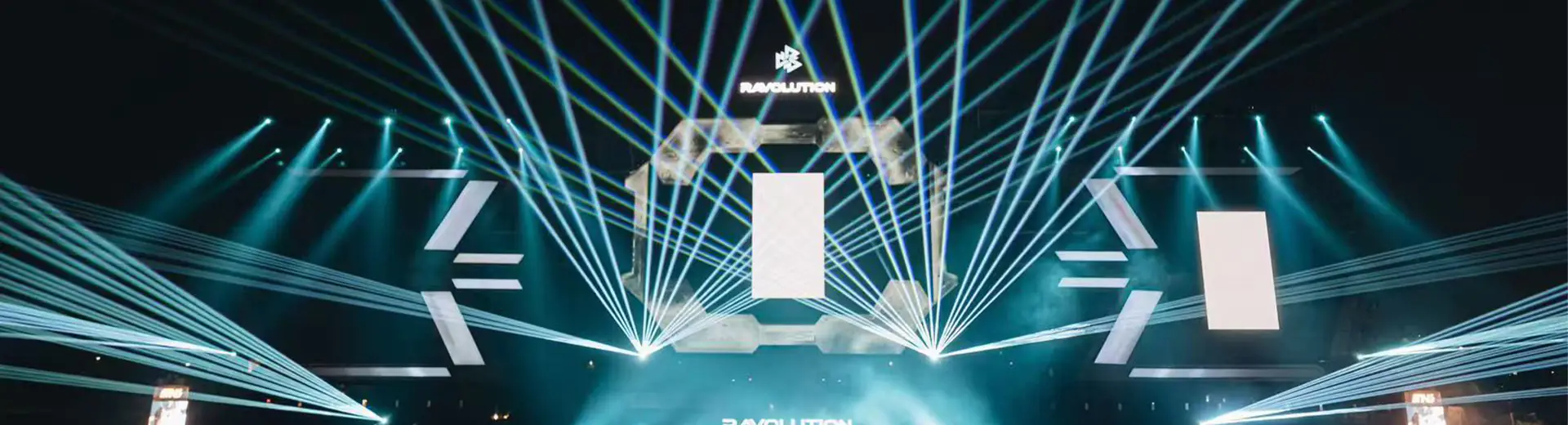
I was out by the livestock barns at dusk, checking cables and zip ties before the crowd rolled in. The plan called for a sky laser to mark the start of the harvest show, clean and bright above the grain silos. We had numbers on paper—hours of runtime, safe zones, and a map of the wind. But the clouds sat low, and the generator chugged a little off-beat (that old green one with a dented frame). So here’s the rub: do you push more power, or do you fix the funnel that carries it?
Here’s what the data said: 40 W optical power, under 1 mrad beam divergence, and an uptime target near 99%. Still, the beam washed when the moist air moved in. Thermal management fought the night chill. Power converters drifted as the load changed with the effect queue—funny how that works, right? The question is simple enough: where does practical reliability come from—in raw watts or in tight control? My hunch is it’s both, with an edge for control when the weather goes sideways. Look close and you can see it in the little things, like alignment and feedback loops. Let’s compare what really matters and why the next choice you make will save you a heap of hassle down the road.
Powered Laser: Why Old Rigs Struggle When the Stakes Get High
Where do old methods break?
A modern powered laser is not just a brighter bulb. It is a system: drivers, feedback, optics, and cooling all working in step. Older show rigs treated the beam like a floodlight on a stick. That’s where flaws creep in. Power converters without proper headroom sag under fast cue changes. Galvanometer scanners lose accuracy when duty cycles spike. Beam divergence drifts if the module warms unevenly. And when you wire control lines near AC feeds, you invite EMI that jitters your patterns. Look, it’s simpler than you think: the parts must play nice together, or the sky tells on you.
Hidden pain points show up in deployment. Long runs without local edge computing nodes mean latency, so safety interlocks react a hair late. That hair matters. Cable bundles get heavy; connectors wear; IP ratings get tested by dew and dust. Your thermal management might pass in the lab and still stumble in a damp field at midnight. The usual patch is “add more power,” but that only masks drift for a moment—and might grow your failure window. The better path is tight loop control, clean grounding, and predictable heat flow, so the beam you dial in at 7 PM is still the beam you fly at 11.
Forward Look: New Principles and Practical Wins
What’s Next
The next wave leans on new technology principles—closed-loop sensing on optics and motion, smarter drivers, and safer network topologies. Systems tie the laser head to its brain with high-speed feedback, then hold color balance and pointing with real-time correction. A fiber-coupled module keeps heat where it belongs; the head stays lighter and steadier. Pair that with better PID tuning in the scanner controllers and you get crisp lines even as the temperature swings. When you drop in sky laser light for an outdoor show, the difference is plain: less shimmer, less drift, more reach for the same watts—because the control stack does the heavy lifting.
Comparatively, the old approach was linear: add power, hope for clear air, and pray the generators behave. The new approach is layered: measure, adjust, then render. You see it in stable power rails, in phase-correct PWM drivers, and in smarter safety maps that auto-blank at the horizon line. Here’s how to choose, plain and fair: first, judge beam integrity under load (scan a grid, watch for wobble). Second, check thermal recovery time from cold start to steady state. Third, verify failsafe logic with a hard fault—pull a line and time the blanking. Do these three, and your odds go way up—no fancy talk needed. For a grounded view on hardware that follows these ideas without fuss, see Showven Laser.