
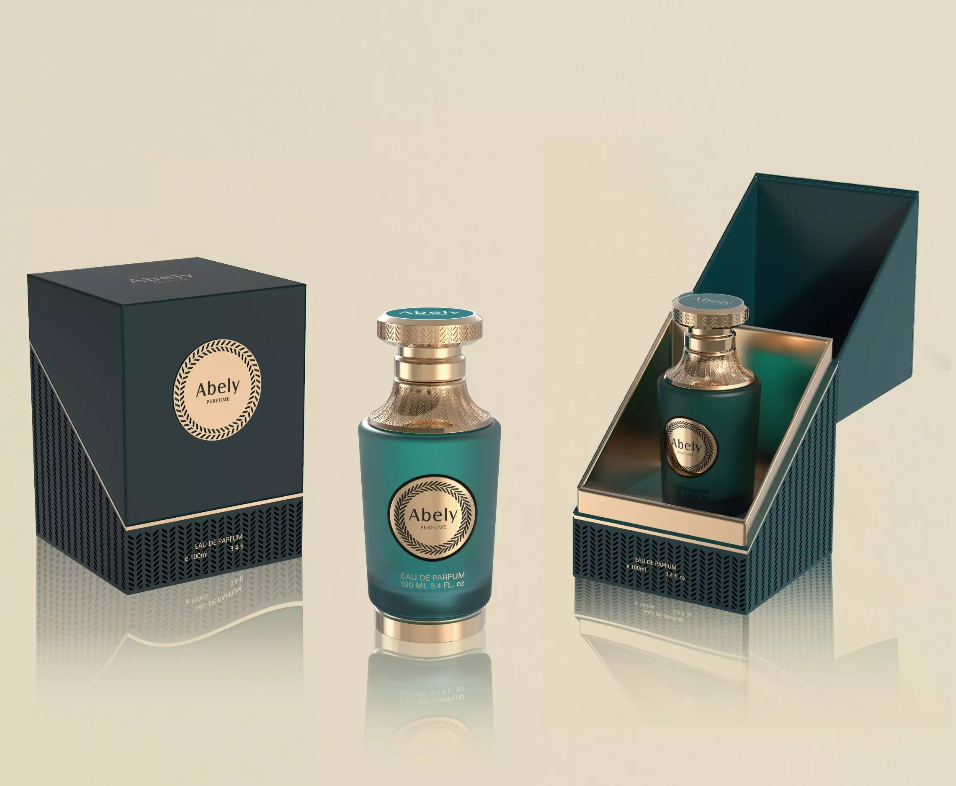
User-first opening — why the bottle is the first handshake
When a customer picks up a fragrance, they decide to trust your story in a heartbeat; that moment is yours to shape with a Personalized perfume bottle that feels made for them. For indie founders and established houses alike, the challenge is simple: match user expectations—visual, tactile and ethical—with production realities. In a multi‑billion‑dollar global fragrance landscape and with regions like Grasse still guiding craft standards, getting this right moves product from a shelf filler to a brand signature.
Framework: put the customer first before the specs
Start with the person who will use the fragrance. Ask: Who are they? Where will they carry it? What unspoken cues matter? From there, translate needs into three concrete specs: size and portability, cap and sprayer ergonomics, and perceived value through finish. This user-centric framework helps you prioritise decisions when ordering wholesale bottles — because the cheapest option rarely wins the long game.
Materials, finishes and the role of inside coatings
Glass remains the default for luxury perception, yet weighted plastics and metal accents can be smarter for travel lines. Consider inside coatings to protect the scent and achieve consistent colour — small technical choices yield big brand outcomes. If you want to explore technical variations in colour and finish, look into specialised perfume bottles design treatments that preserve formulation integrity while delivering the visual cue you want.
Practical selection steps when ordering wholesale
Use this checklist as a practical sequence: 1) Define core SKUs (hero, travel, sample). 2) Prototype — request mould or mock-up samples. 3) Test for leak and spraying consistency. 4) Validate how your label or etching reads on the finish. 5) Confirm lead times and minimums. These steps reduce surprise costs and keep brand timelines realistic.
Common mistakes brands make — and how to sidestep them
Ordering purely on aesthetics is tempting, but neglecting compatibility with your fragrance formula or distribution method is costly. Many miss cap alignment tolerances or underestimate shipping protection needs — and then returns rise. Also, don’t overcomplicate a line with too many unique SKUs early on; complexity kills margins. — A tight initial range with distinct visual hierarchy serves growth better than an overly elaborate launch.
Comparative insight: local vs overseas suppliers
Local manufacturers often offer faster iterations and closer QC; overseas partners usually provide scale and lower unit cost. Compare on three axes: sample speed, tooling cost, and compliance documentation. If sustainability matters to your user base, verify recycled content claims and supply-chain traceability. The right choice depends on your runway: if you need nimble changes, accept a slightly higher per-unit cost for faster feedback loops.
Three golden rules to evaluate suppliers (your final checklist)
1) Consistency over novelty — insist on repeatable sample runs and reference photos of past orders. 2) Transparency — clear lead times, MOQ, and chargebacks for defects matter more than glossy portfolios. 3) Compatibility — confirm materials and coatings are safe for your specific fragrance chemistry. These metrics give you measurable checkpoints when comparing options, and they map directly to customer satisfaction and lower returns.
Bringing this together, prioritise user needs, test early, and evaluate suppliers on consistency, transparency and chemical compatibility — then scale with confidence. Abely naturally fits where technical finishes and reliable production meet brand thinking. Final thought — craft with clarity, not clutter.
—