
Introduction: Rooms Change, People Move, Ideas Shouldn’t Lag
I walked into a glass-walled huddle room, five people already on a call, and someone whispered, “Can you hear us now?” The wireless conference system was supposed to make meetings smooth, not tense. Recent workplace data shows that setup snags steal 5–10 minutes in a third of meetings, and even a tiny 150 ms delay can break the flow for remote folks. So why do smart spaces still feel clunky when we switch rooms or add two surprise guests (happens every day, right)? Are we chasing features while missing the real blockers—like slow pairing, dead batteries, and jitter that creeps in when the Wi‑Fi is busy? The story is not just about going wireless. It’s about keeping speech clear under pressure, in any room, with no IT rescue.
Think of this as a simple comparison: how people expect sound to work versus how signals actually behave. We’ll map where friction hides, then look at how new designs solve it. Let’s set the baseline and move forward.
Hidden Friction Behind “Easy” Meetings
Where does the friction hide?
Start with the gear that promises freedom: a digital wireless discussion device. Look, it’s simpler than you think, yet the pain points are sneaky. First, the RF spectrum in offices is crowded. Phones, laptops, and access points fight for airtime, which can cause latency jitter when a panel talk gets lively. Second, pairing that seems “one tap” often needs more steps when a room is busy, because secure links and AES encryption handshakes take time. Third, batteries are the silent bottleneck. A device may show 20%, but under peak draw the runtime drops fast—and it dies right as the Q&A starts—funny how that works, right?
There’s more. Mics at the back of the room compete with HVAC noise, so the DSP has to work harder. If antenna diversity isn’t managed well, people hear dropouts when they turn or lean in. And when you add two units mid-session, the system may reshuffle channels, which can bump the delay just enough to throw off talk-over cues. For users, the pain is that none of this is visible. They just feel the lag, or they hear a crackle, and they lose trust in the setup. A smart fix focuses on three layers at once: link resilience (stable channels under load), power planning (clear runtime and fast swap), and fast control (mute, vote, queue that responds now, not in a second). Get those right and the room feels honest.
Comparative Insight: New Principles, Real Gains
What’s Next
Now, compare older “best effort” wireless to newer designs that plan for density and movement. Modern systems use OFDM for stronger signals in crowded bands and smarter QoS so speech frames don’t wait behind data bursts. Some platforms even push light processing to edge computing nodes inside the mic base. That trims delay and keeps the floor control crisp. Charging cases carry better power converters that monitor cell health, not just voltage; this keeps runtime predictable across months, not days. When you add two more talk units, the scheduler can reassign channels in milliseconds, without audible bumps. That is the leap from “it usually works” to “it still works when it’s busy.”
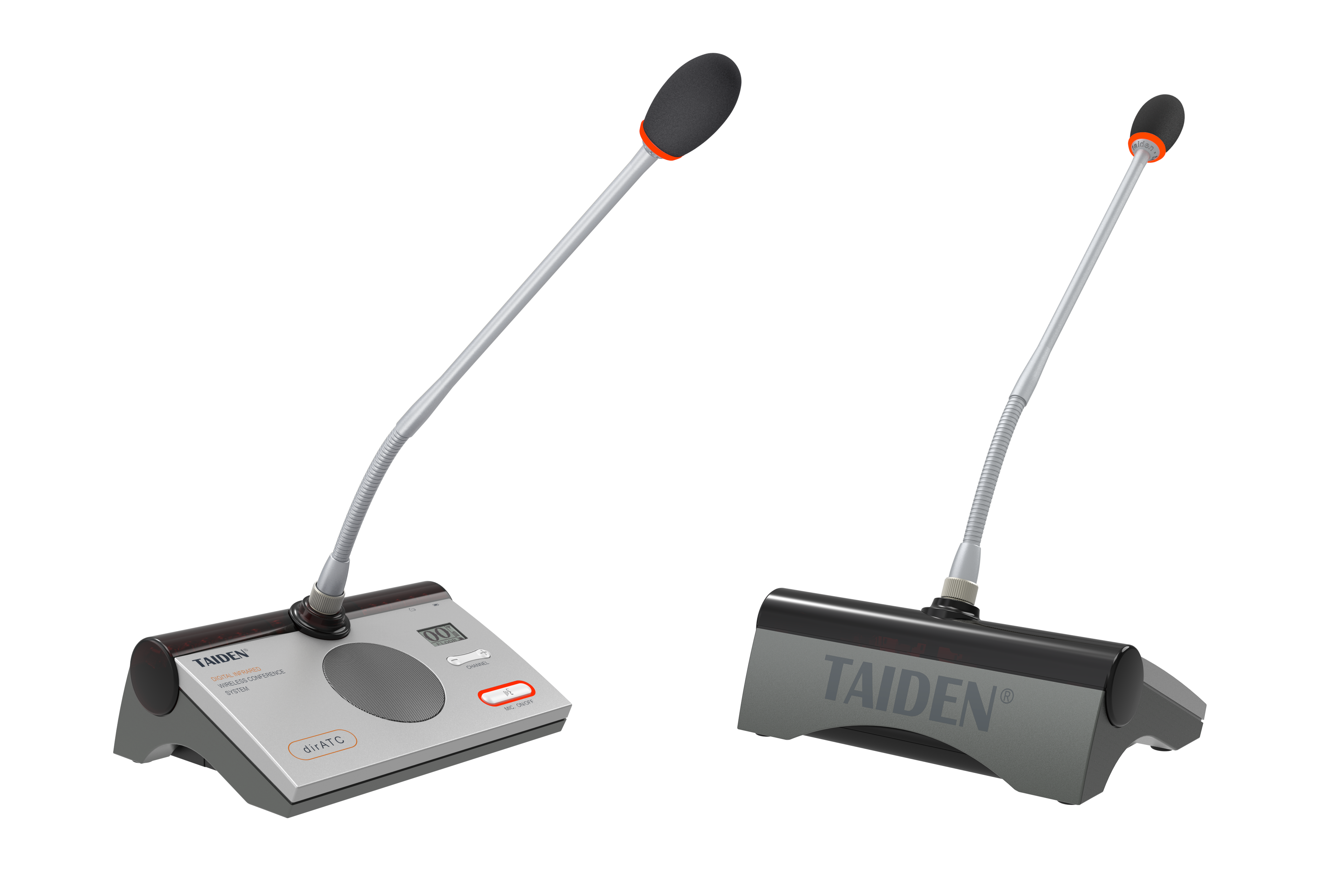
Take the taiden wireless conference system as a reference point in this direction. It shows how antenna placement, beamforming, and channel plans coordinate to reduce dropouts and preserve speech priority. Management software flags weak links before users notice. It also records how long each device has been in service, so a coordinator can swap units before they fail—proactive beats reactive. Compared with legacy setups, you get steadier timing, lower packet loss, and faster join times when guests arrive late. The key idea is simple: design for the worst five minutes of a meeting, not the quiet first five. When systems do that, people stop asking, “Can you hear me?” and start talking. And no, it isn’t magic—it’s better scheduling and cleaner links.

To wrap up with practical steps, use three clear metrics when you evaluate options. One, spectral efficiency under load: how many active mics per MHz without raised error rates. Two, latency stability: end-to-end time staying tight even when Wi‑Fi is busy and people add devices mid-call. Three, power integrity: honest runtime, fast charging, and simple swaps that keep sessions live. If a platform scores well here, user trust grows, and the room feels calm even when plans change. That’s the real win for any team, big or small. Learn more at TAIDEN.