
Where Shoppers Pause—and Why
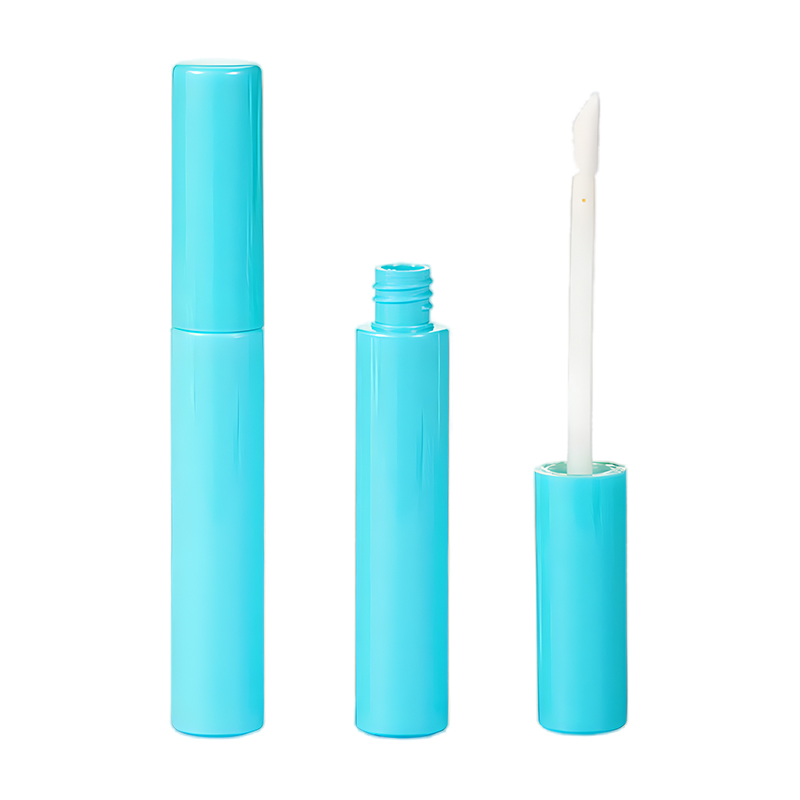
Fast fact: Most buyers judge a gloss in seconds, but they keep it only if the applicator feels clean and the seal holds. You choose a clear lip gloss tube to show color and texture at once. Many brands pick clear lip gloss tubes because they look pure and shop-ready. Yet in audits across cosmetics, packaging faults often appear among top customer complaints. Small leaks, cloudy walls, or a sticky cap can hurt repeat sales. So we ask: is the tube design helping your formula, or quietly working against it? In this short guide, we compare the usual choices by what they do in the real world. It will be simple and calm (괜찮아요). We go step by step, with both looks and function in mind. Let’s move from what seems nice to what actually performs—then decide with confidence.
Beyond the Shine: The Hidden Pain Points
What fails first?
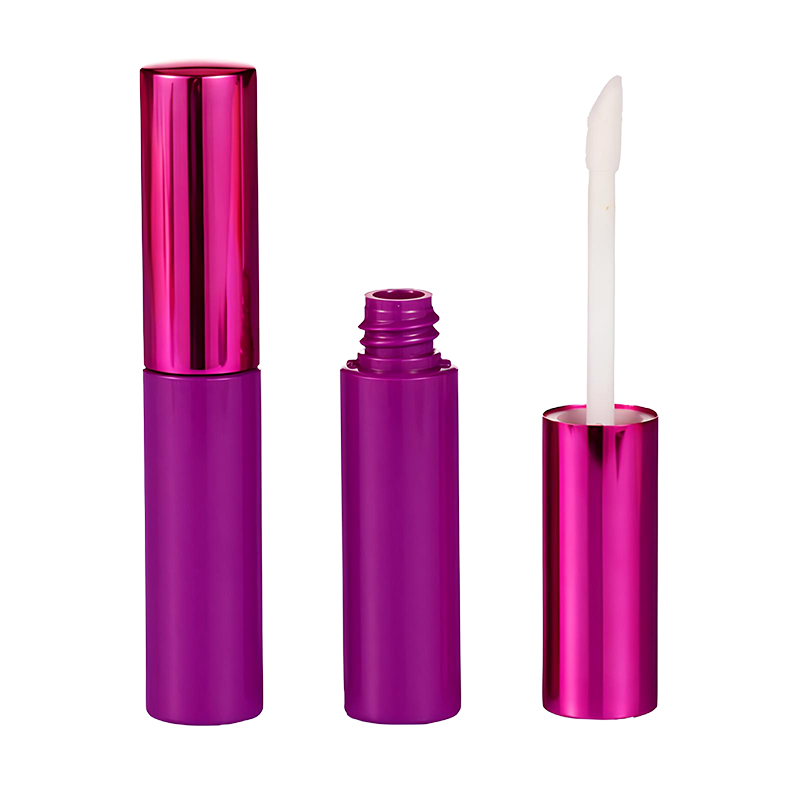
Look, it’s simpler than you think. Most issues do not start with the bottle wall. They start at the neck and wiper. If the wiper fit tolerance is loose, the stem drags air back into the tube. That raises bubble load and can thin your film on the applicator. If the cap torque is inconsistent, a drop test reveals micro-leaks at the seal—funny how that works, right? Traditional fixes (just “tighten the cap more” or “use thicker walls”) are blunt. They add weight, cost, and still miss root cause. Materials matter too: PETG shows high clarity and is good for impact, but some oils can haze it over time; PP components are light and stable, but can flex at the thread under heat. Without a simple leak test and torque check, you chase symptoms.
Another quiet pain point is how the wand meets the formula. A flocked applicator holds product well, but the wiper geometry must match the stem diameter. If not, the first ten swipes feel rich and then fall off. Users call it “dry wand.” It is actually poor metering. Add chemistry: high-volatile fragrance can raise internal pressure under warmth, so your seal system needs a better vent path or tighter thread pitch. Old-school solutions throw more glue or use ultrasonic welding everywhere, but heat can warp an injection molding gate near the neck. Better is a small design of experiments on wiper durometer, OTR (oxygen transmission rate) of the resin, and cap torque retention. Clear look is easy. Quiet comfort is the real work.
Comparative Moves for What Comes Next
What’s Next
Now we look forward with a technical lens. New mono-material builds reduce mixed parts, so PETG body plus PETG stem keeps recycling paths cleaner. Barrier resin blends add UV stabilizers without tinting the wall, so the gloss still “reads true” on shelf. Thread forms with micro-bead seals improve torque window tolerance. That means fewer cap-cracks in transit and lower leakage rate in ISTA 3A. In short, you get repeatable closure force with less guesswork. For scale, a wholesale clear lip gloss tube program now often uses digital cavity tracking. Each lot logs cap torque, wiper insertion force, and burst pressure. Small data points, big calm. And there is more—modular molds let you shift from 6 ml to 8 ml without retooling the whole set.
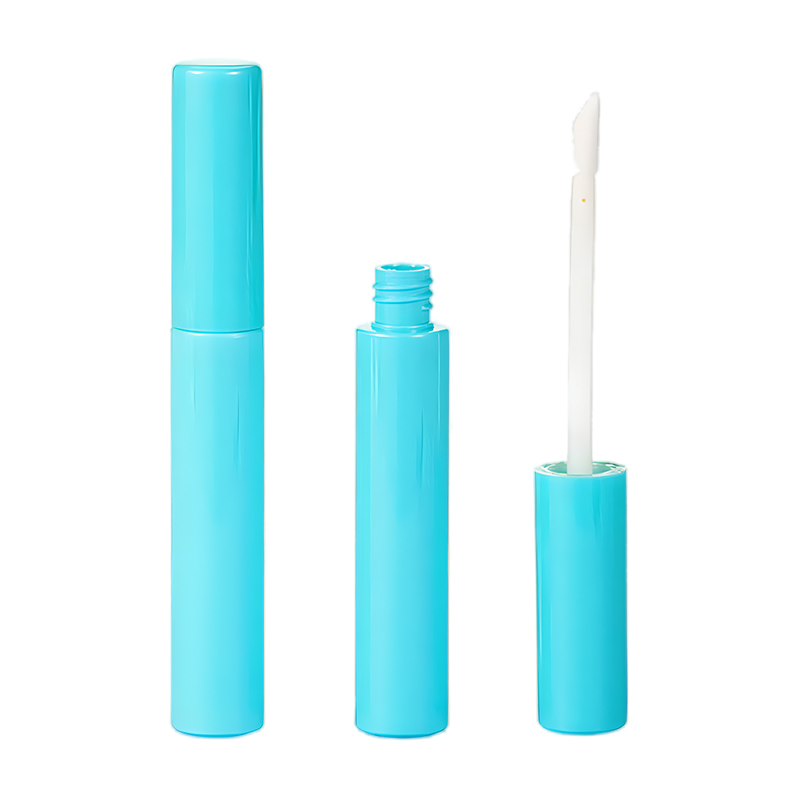
Case in point. A mid-size brand had returns for “sticky cap” and “thin swipe” after two weeks on shelf. They moved from a mixed ABS cap to a PETG cap with a softer TPE wiper, tuned insertion force by 0.2 N, and added a two-step leak test (vacuum then pressure). Result: cap back-off dropped by 70%, and fill-to-application consistency held to week eight. The gloss did not change; the interface did. When you compare options, do not only ask, “Is it clear?” Ask, “How does it meter under heat and shake?” Also note MOQ constraints and batch traceability. A good supplier shows torque curves and drop-test video—before you place POs. This is quiet engineering, not drama, and it saves time and budget.
How to Choose with Confidence
We have seen looks, stress points, and the next wave of designs. To close, here are three evaluation metrics that keep choices simple and fair. First: seal integrity score. Ask for data from leak tests (vacuum/pressure), cap torque retention, and drop-test outcomes; compare per cavity, not only per lot. Second: metering control. Review wiper hardness, stem diameter tolerance, and swipe consistency over 50 passes; simulate shelf heat and shipping shake—your users will. Third: material stability and clarity. Verify resin spec sheets for PETG or PP, check OTR and UV resistance, and run a 30-day haze test with your actual formula. With these three, you can compare pretty tubes to working tubes without guesswork. And if you need a steady partner who speaks in data and plain language, you know where to start: NAVI Packaging.