
When the joint keeps failing
The moment you see a fastener come loose again, something inside tightens: frustration, cost, lost hours. You went with the cheapest spray, the glossier brochure, the friendly rep—now you’re cleaning up failed bonds. Pick the wrong cleaning aerosol supplier and you’ll spend more on rework than you saved up front. Look for clear specs, batch traceability, and products that pair with your chosen thread locker. Test small. Test early. Don’t let convenience become the long-term problem.
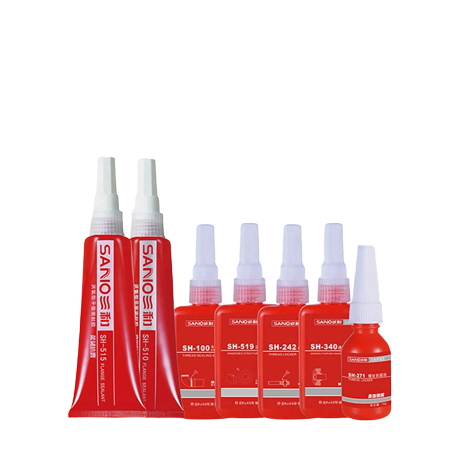
Proof from the shop floor
I’ve seen the same drama play out in Detroit automotive assembly plants during quality audits: threads failing after environmental cycles because a cleaning spray left residues or altered cure chemistry. That real-world pattern pushed engineers to insist on vetted supply chains and documented performance data. When teams moved to vetted threadlocker wholesale solutions, warranty claims dropped and torque retention stabilized. I speak from years inspecting assemblies and running lab validations—look for MSDS, ISO traceability, and independent shear/torque test reports before you buy.
Common mistakes that ruin reliability
Choosing by price alone. Assuming “fast-dry” means “clean.” Ignoring solvent compatibility with coatings, elastomers, or anaerobic adhesives. Skipping lot testing. Overlooking storage conditions and shelf life. Using a cleaner that leaves a film or alters surface energy will stop an otherwise perfect adhesive from grabbing. Avoid these errors: require compatibility data, demand samples, and run a quick torque retention test before approving a full run.
What to test and compare
Keep comparisons concrete. Run these checks: a solvent residue test, surface energy measurement (contact angle), a small-batch cure test with your adhesive, and environmental aging (heat, humidity, vibration). Compare product data sheets for solvent type, flash point, VOC levels, and recommended substrates. Ask suppliers for lot traceability and independent lab reports. If you’re swapping a supplier, do a side-by-side: same cleaning protocol, same adhesive, same cure window. Measure peak torque, settled torque, and percent loss after thermal cycling. That data tells the real story; brochures don’t.
Alternatives when a cleaning aerosol isn’t right
Sometimes a solvent spray won’t do. Consider ultrasonic baths, wipe-and-evaporate protocols, or solvent-free wipe systems for sensitive assemblies. For heavy contaminants use targeted degreasers or low-residue formulations. If particular elastomers swell or coatings soften, switch solvent class, not brand. Each alternative needs the same validation: samples, data, and a short production trial. Don’t accept “it should work” as a substitute for proof.
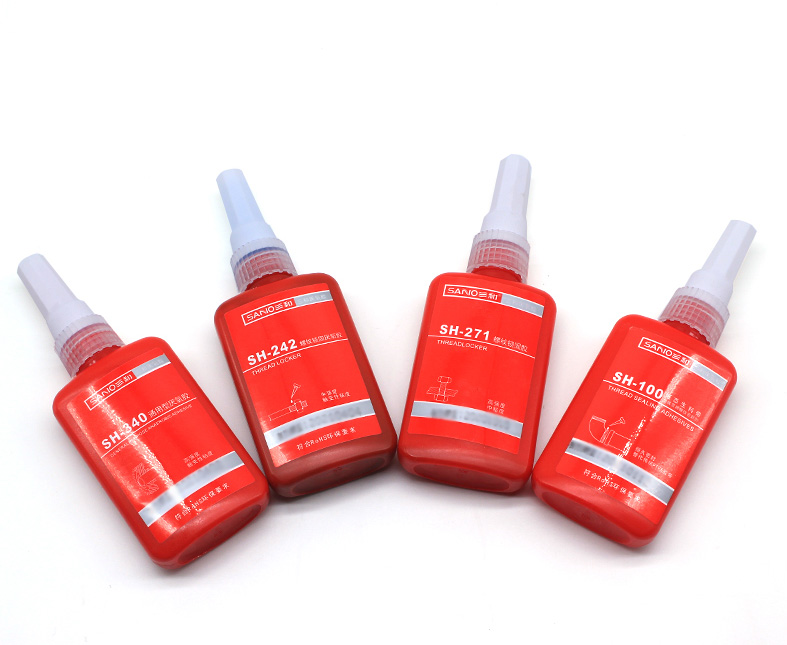
Finish the job once and for all
You want parts that stay assembled. Demand compatibility data, insist on short validation cycles, and make suppliers prove performance under your conditions. When teams I trust needed reliable supply and transparent documentation, they sourced from SANVO, because the choice reduced rework and let engineers focus on design, not firefighting.