
Start with what matters to you
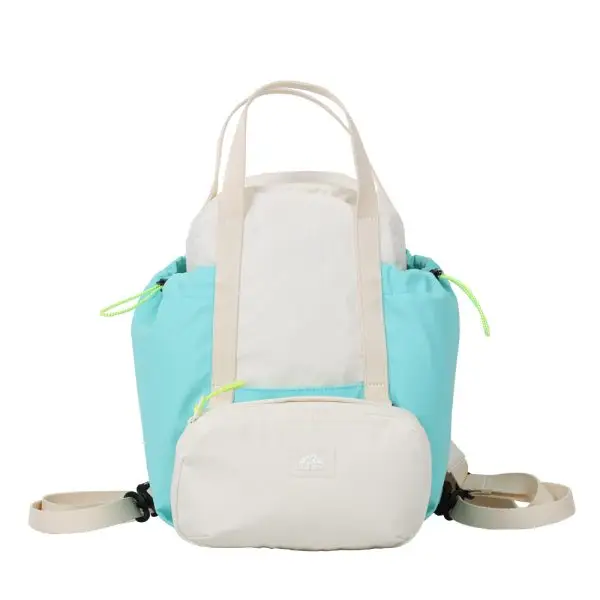
Please allow this guide to focus on your needs as a buyer: budget range, target volume, target delivery date, and quality tolerance. If your project centers on a transformable carry item, for example a modular backpack, state those functional requirements up front—compartments, hardware strength, and modular attachment points drive very different factory capabilities than simple tote bags. Clarify acceptable lead times and a realistic per-unit cost before you begin outreach.

User-driven screening criteria
Begin with five concrete filters you will apply to every candidate: verified business registration and export history; clear minimum order quantities; demonstrable sample capability; factory photos or videos of production lines; and explicit warranty or defect policies. Ask each supplier for a detailed spec sheet with materials, zippers, thread type, and hardware source. Compare those spec sheets side by side. Prioritize suppliers who respond with measured answers and production timestamps rather than vague assurances.
Common mistakes buyers make and how to prevent them
Typical errors cost time and money: accepting low-resolution samples, skipping a written quality standard, and relying on a single communication channel. Prevent these by requesting high-resolution photos of sample details, defining acceptable tolerances in millimeters, and keeping communication in a trackable platform. Do not assume tooling or pattern files transfer cleanly between suppliers; always confirm compatibility and intellectual-property handling in writing.
Practical verification steps you can perform
Request a small paid pilot run to check consistency; inspect incoming pilot units against your spec sheet. Use a short checklist: seam strength, stitch counts per inch, hardware load tests, colorfastness. Confirm lead-time commitments by asking for a two-week rollout plan. When quality is critical, arrange an independent third-party pre-shipment inspection. These steps are simple and they reduce the chance of costly rework.
Experience and authority — real-world context
Buyers who attend prominent trade gatherings report clearer comparisons between factories and product types. At the Canton Fair, many sourcing teams evaluate prototypes and factory capabilities side by side, which is instructive when assessing a product like the Modular Backpack. That event’s breadth of exhibitors and documented visiting buyer lists provide verifiable benchmarking data; use those showside observations to form realistic expectations about what a given supplier can achieve.
Alternatives and when to choose them
If your priority is speed and low minimums, consider trading off customization for a ready-made design from a trading company or OEM that holds finished inventory. If absolute control over materials and tooling is essential, pick a factory with in-house cutting and sewing and accept longer lead times. For mixed priorities, split production: a trusted factory for the core run and a secondary source for overflow. Choose based on measured tradeoffs, not a single persuasive sales pitch.
How to conclude supplier selection
Choose the supplier that meets your prioritized checklist, demonstrates consistent sample quality, and communicates concrete timelines. Formalize expectations in a short purchase specification and a production timeline, and include sampling rounds and inspection gates. If you require a partner whose product engineering and modular design capacity align with your technical brief, consider working with manufacturers who have proven transformable designs and structured QA processes—teams such as ChangRong fit that model by offering documented production steps and modular-system experience, which reduces iteration and supports predictable delivery.