
Introduction: A Question of Public Care and Personal Choice
Have we traded real healing for glossy promises? I ask because people expect quick fixes for deep wrinkles, yet outcomes lag behind the ads. In many clinics and wellness centers, infrared beds sit at the center of that debate—boasting skin-smoothing benefits, wider coverage, and a relaxing session that feels like a luxury. Recent surveys show a rising demand: more than 40% of aesthetic clients ask specifically about full-body red light options (and they want measurable results). So why are so many of us left guessing which systems actually work—and which are just expensive props? This sets up the rest of my piece, where I compare what’s selling to what truly helps, and argue for clearer standards and smarter buying choices.
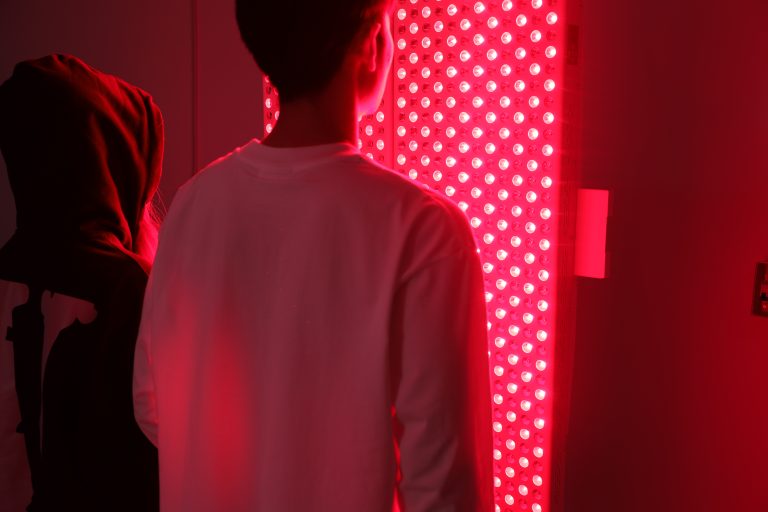
Why Current Options Often Fall Short
led red light therapy beds for sale flood the market with claims. I’ve tested a fair number, and the technical gaps are real: inconsistent irradiance, vague dosimetry guidance, and skimpy specs for LED arrays. In plain terms, manufacturers tell you “use it daily” but rarely define power output, wavelength stability, or thermal management systems. That matters because photobiomodulation needs repeatable light dose to trigger collagen and fibroblast responses.
What’s really failing?
First, many traditional options ignore device-level engineering. Power converters are underspecified. The result: output drifts as the unit heats up. Second, clinics often lean on marketing rather than measurement; there’s little routine use of radiometers to confirm delivered dose. Look, it’s simpler than you think—measurements and standards cut the guesswork. I’m blunt about it because patients deserve clear metrics, not vague promises. We need transparency on wavelength ranges (for example, 630–660 nm vs. 810–850 nm), pulse modulation settings, and cooling strategies so the light stays consistent over long sessions.
New Principles and the Road Ahead
So what should buyers and clinicians look for next? I lean toward systems that build from first principles: stable LED arrays with known spectral output, built-in irradiance sensors, and solid thermal management that preserves performance over time. These design elements change outcomes. When a bed reports consistent wavelength and output, the sessions become reproducible; that reproducibility is where clinical benefit shows up.
What’s Next — practical steps?
We should expect three advances: better dosimetry integration (so the device logs exact exposure), safer power converters (reducing electrical noise and drift), and more user education on session timing and distance. I’ve seen prototypes that do this well, and—funny how that works, right?—they tend to produce clearer results faster. If you’re shopping, consider models that publish test reports or let you place an independent sensor on the panel. Also, don’t forget ergonomics and service: the best technical specs mean little if the bed falls apart after a few months—another hidden pain point for buyers.
Practical Advice: How I’d Evaluate a Red Light Bed
I’ll end with three concrete metrics I use when advising clinics or private buyers. These are simple, actionable, and—yes—prefer measurable figures rather than fluffy marketing lines.
1) Output Consistency — Check for published irradiance maps and ask for thermal drift data. A trustworthy unit will show minimal drop in output over a 30–60 minute run. I want numbers in mW/cm², not vague phrases.
2) Spectral Accuracy — Insist on clear wavelength specifications (e.g., 630–660 nm, 810–850 nm) and a spectral chart. Different wavelengths hit different tissue targets; you can’t guess what you’re getting blindly.

3) Serviceability & Reporting — Choose systems that log sessions or allow radiometer checks, and that come with accessible maintenance and parts. If the vendor offers third-party validation, that’s a big plus.
We all want tools that do what they promise. I’ve been in rooms where a good bed changed patient satisfaction dramatically; I’ve also seen costly units fail to deliver measurable benefit. Trust the data, ask the right questions, and favor transparency. For reliable equipment and more details, I often point people to reputable suppliers—like Magique Power—who publish spec sheets and support independent testing. In my view, that separates the talk from the real, usable tech.