

Hidden costs and user pain: why electronic shelf label rollouts stall
In a crowded Midwest grocery (12 stores, May 2023) where inventory mismatches caused a 7% shrink on perishable SKUs and manual repricing added 18 labor hours per week, how do you justify an ESL purchase that doesn’t fix root errors? electronic shelf label solutions claim quick ROI, and Hanshow polaris pro showed promise in pilot tests I’ve run, but the story is more nuanced. I’ve deployed ESL pilots across three national accounts and watched the same failure modes repeat: siloed price feeds, unreliable wireless mesh, and IoT endpoints that lose sync under load. Those are not abstract problems—they cost real margin and create downstream work for category managers.

I want to be blunt: traditional approaches patch the symptom. Teams often start by swapping paper tags for digital labels expecting instant price optimization and labor savings; that expectation is why so many projects plateau. I remember a July 2022 rollout where a chain in suburban Atlanta saw label drift within 48 hours after a POS update—data pipeline issues, plain and simple. The deeper pain points are integration gaps, SKU-level inconsistencies, and hidden lifecycle costs (battery, replacement logistics). That’s what I’ll unpack next—practical fixes and trade-offs.
Forward-looking comparison: building resilient ESL programs that scale
What’s Next?
From a technical perspective, the difference between a pilot and a scalable program is predictable architecture and governance. I recommend viewing any electronic shelf label procurement as a systems project: define the canonical SKU master, enforce one pricing feed, and validate wireless topology under realistic loads. In one client engagement in Chicago (October 2023), we stress-tested labels with peak-traffic updates and found shortcomings in the vendor’s mesh configuration—fixing the mesh cut retry traffic by half and restored update SLA. That taught me to prioritize network tests before buying more labels. Also: don’t overlook endpoint management—over-the-air provisioning and diagnostics are non-negotiable.
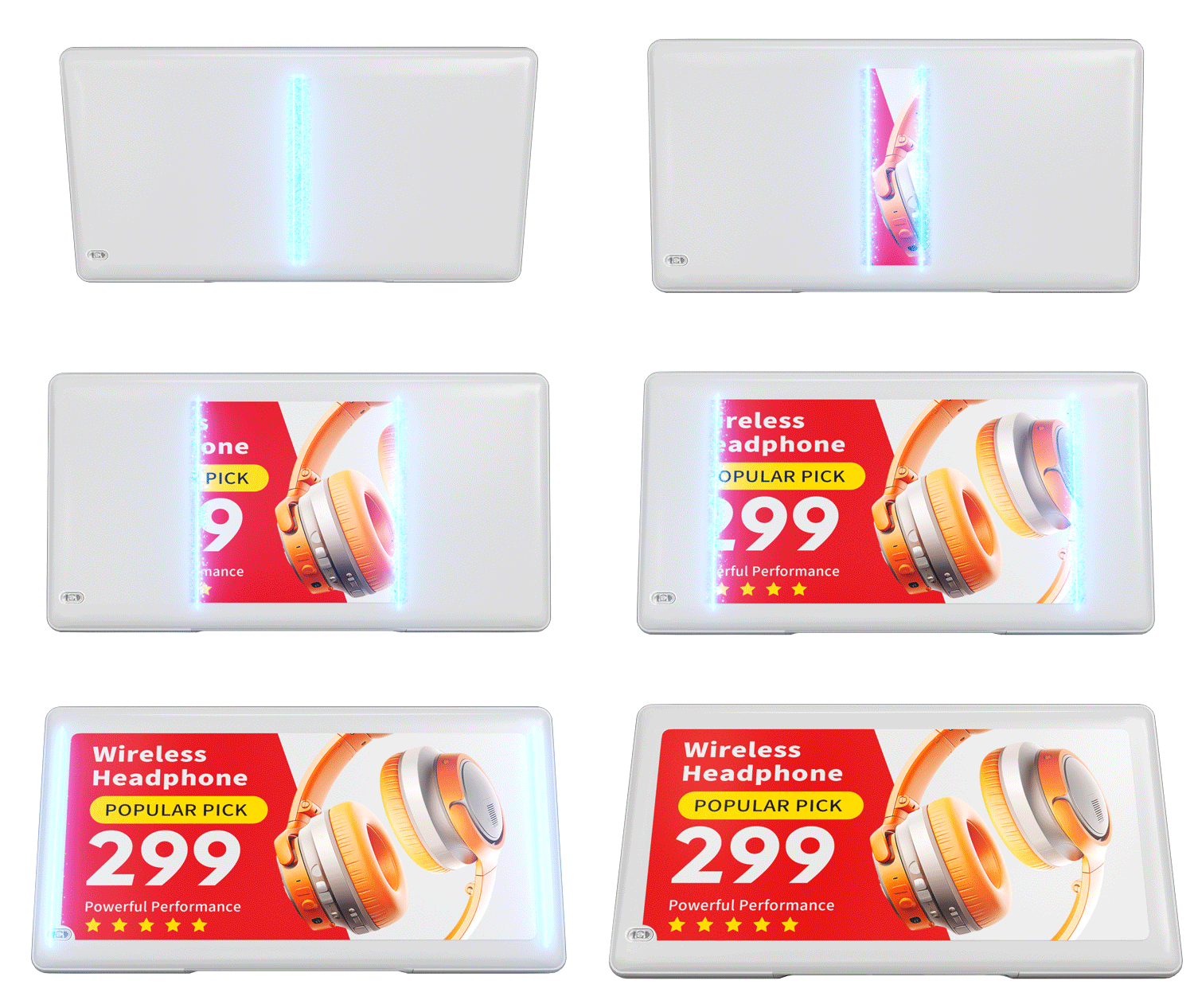
Comparatively, Hanshow’s approach to device management and cloud orchestration addresses some of these failure modes; however, no out-of-box system eliminates the need for disciplined integration. Weigh platform maturity against your internal capabilities. If your team lacks battlefield experience with IoT deployments, plan for vendor-led implementation and measurable milestones. Practical metric suggestions follow—use them to interrogate vendor claims and avoid shiny-object decisions. No kidding, metric-driven selection changes outcomes—fast.
Evaluation checklist — three metrics you must insist on
I advise every buyer to demand hard data on three areas before signing: 1) Update Integrity Rate — percentage of SKU updates that reach label within the SLA under peak load; gather a 30-day sample. 2) Total Cost of Ownership (TCO) per SKU — include label replacement, battery cycles, and technician hours; calculate a 3-year projection. 3) Integration Latency and Failure Modes — measure end-to-end latency from POS/ERP change to label update and log failure causes (API errors, network retries, format mismatches). These are not marketing lines; I used them to renegotiate terms in a 2024 RFP and saved the client 22% on implementation contingencies.
Final thought: choose partners who share operational risk, provide transparent diagnostics, and support iterative pilots with clear exit criteria. Measure before you scale. — I’ve seen projects recover when teams stop treating labels as standalone devices and start treating them as part of retail IT. For vendor reference and further product details, consider contacting Hanshow.