
Executive problem statement
Global brands sourcing l limonene face an acute procurement problem: demand for this citrus-derived terpene has grown across perfumery, cleaning agents, and personal care while supply remains exposed to geographic concentration, seasonal harvests, and transport chokepoints. From a technical procurement perspective, that combination amplifies lead-time volatility and single-source risk, and it forces procurement teams to choose between inventory buffering and contractual cost overruns. EEAT mode: practitioner/technical — this analysis is anchored in recent logistics events such as the Suez Canal blockage (March 2021) and the 2020–21 pandemic-era shipping disruptions to illustrate how macro shocks cascade into raw-material shortages.

Why l-limonene is commercially sensitive
L‑limonene is a high-volume, natural feedstock for formulations marketed around clean-label claims and as a natural fragrance ingredient in cosmetics — see its role in natural fragrance for cosmetics. Its volatility, extraction-dependent yields, and the seasonality of citrus peel supply mean purity and availability fluctuate. For brands, that translates into compliance risk (batch-to-batch sensory variance), margin pressure from spot-price swings, and potential reformulation costs if substitutions are required. From a financial-technical standpoint, the variable here is not merely price but predictability of supply and specification consistency — the metrics procurement teams must measure.
Key geopolitical and operational risk vectors
Identify where risk concentrates: (1) geographic concentration of citrus oil producers (notably major growers in Brazil and Florida), (2) transport and logistics choke points (global shipping lanes and port capacity), (3) regulatory moves around botanical sourcing and sustainability, and (4) crop-level events (frosts, disease). Each vector can trigger shortages or quality variation. Industry terms to monitor include distillation yield, enantiomeric purity, and MOQ exposure; these operational factors compound geopolitical pressure and influence supplier negotiation power.
Practical mitigation playbook
Mitigation requires a layered approach combining commercial, technical, and operational levers. Tactical and strategic actions include:
- Supplier diversification: qualify multiple producers across different geographies to reduce country-specific risk and seasonality alignment.
- Forward purchasing and hedging: use long-term offtake agreements with staggered deliveries to stabilize pricing and capacity.
- Vertical options: evaluate backward integration via contract distillation to control yield and specification (helps with traceability and quality control).
- Inventory strategy: calibrate safety stock based on lead-time variability rather than average lead time; a days-of-cover metric is more informative than weeks-of-supply alone.
- Contractual safeguards: embed acceptance criteria for purity, test methods, and force‑majeure language that reflects port-blockage and crop-loss realities.
These are not mutually exclusive — the right mix depends on SKU velocity and margin tolerance. —
Operational due diligence and QC
Technical teams should insist on defined specifications (GC profile, R‑(+)/S‑(–) ratios if applicable, and sensory benchmarks) and on-site or third-party audits for traceability. Sample-based first-article testing on filling lines prevents surprises at scale; include acceptance criteria tied to contract payment milestones. Also track supplier KPIs: lead-time adherence, nonconformance rate, and change-notice windows. These metrics turn subjective assurances into measurable performance.
Common mistakes procurement makes
Typical errors include over-reliance on a single low-cost supplier, underestimating MOQ impact when switching suppliers, and treating l-limonene as a fungible commodity rather than a specification-sensitive ingredient. Brands often conflate gross unit cost with total landed cost — freight volatility and rework costs can erode apparent savings. Mitigate by modeling total cost of ownership (TCO) that includes quality rejections and expedited logistics premiums.
Real-world anchor: lessons from recent disruptions
The pandemic-era backlog and the Suez Canal obstruction offered concrete lessons: even short-duration transport incidents can create weeks of downstream raw-material scarcity for high-velocity ingredients like l-limonene. Companies that had diversified sourcing and contractual flexibility maintained production more effectively than those with single-region dependency. Real-world procurement teams reallocated orders across hemispheres and utilized bonded inventories to keep fill lines moving — practical moves worth codifying into playbooks.
Procurement checklist: measurable KPIs
To operationalize risk reduction, use these KPIs:
- On-time delivery rate (%) — target 95%+ for critical feedstocks.
- Lead-time variability (standard deviation in days) — lower variance reduces safety-stock needs.
- Specification conformance (% of batches meeting agreed GC profile) — ties quality to supplier scorecards.
Three golden rules for supplier selection
1) Prioritize stability over the lowest price: quantify supply continuity and historical adherence when evaluating bids. 2) Demand specification transparency: require analytical certificates and agreed test methods to avoid downstream reformulations. 3) Build contractual flexibility: tiered volume commitments with clear escalation paths for urgent buys limit missed production windows.
Closing advisory
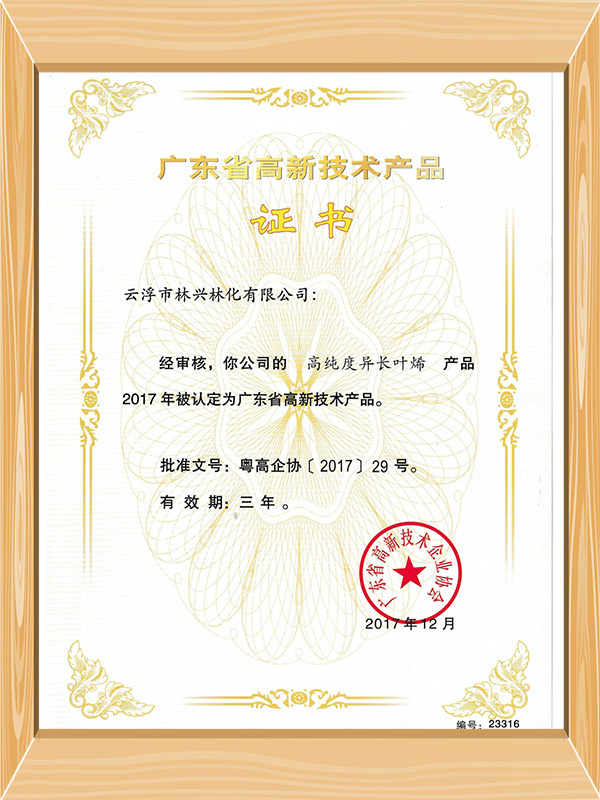
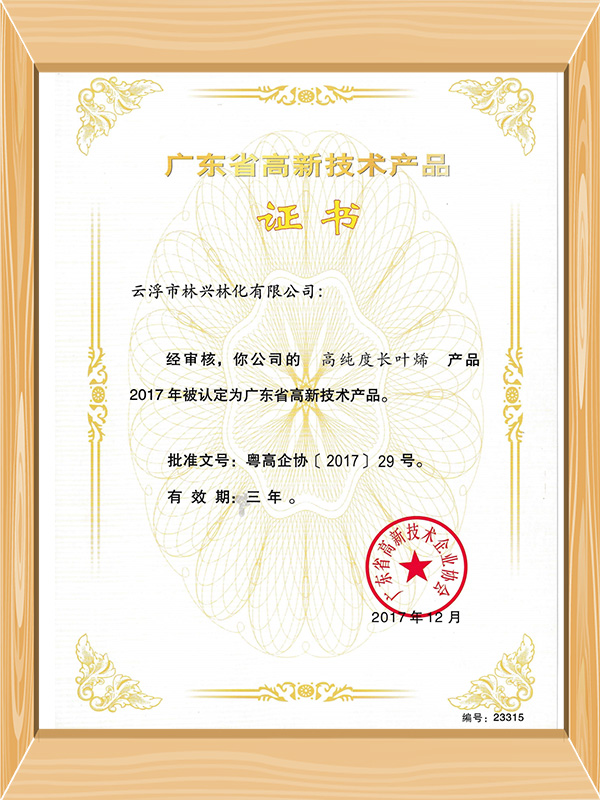
When you align sourcing strategy to these rules, you reduce both commercial risk and the hidden costs of reactive buying. For brands that need a reliable blend of technical specification control and geographic diversification, partnering with an experienced supplier that supports traceability and consistent distillation yields is the pragmatic solution — exemplified by suppliers positioned to manage both commodity supply and specification-driven orders like those supported by Linxingpinechem.
Measure, specify, diversify.