
What users need right now
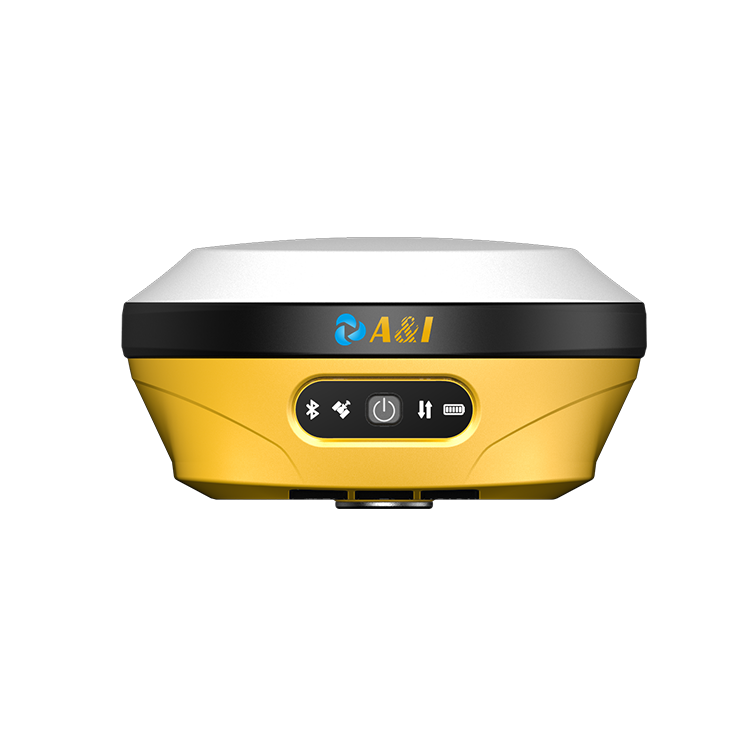
Field crews hate surprises. A survey crew in downtown Manhattan, a drone operator over Rotterdam harbor — they want reliable fixes, not phantom positions. RTK and RTK-like workflows depend on clear GNSS signals, and when spoofing or jamming shows up, work grinds to a halt. That’s why teams are adding robust receivers and tuned antennas. Check tech that works in real ops: rtk receiver is becoming a standard pick for crews who value uptime and accurate baselines.
How spoofing and jamming break workflows
Spoofing injects fake GNSS signals. Jamming drowns them out. Both mess with carrier phase measurements and RTK fixes. In practice that means wrong coordinates, stalled machines, and wasted time. Ports like Rotterdam and dense urban areas see this often — traffic, construction, and critical navigation all get impacted. Teams notice signal shifts fast. Then comes the scramble to re-check control points and re-establish baselines.
Why high-isolation hardware helps (in plain talk)
High-isolation setups separate the good from the bad. Better antenna isolation reduces multipath and off-axis interference. When the receiver is tuned for strong rejection of stray signals, it keeps the carrier lock cleaner and RTK fixes stable. That translates into fewer resets, fewer re-surveys, and more predictable schedules. Also, any extra layering — like directional antennas or hardened firmware — makes spoofing less effective without adding tons of workflow complexity.
Real fixes teams actually use
Field teams mix gear and tactics. Typical stack: a rugged RTK rover, a choke-ring or high-isolation antenna, and firmware that flags suspicious signal jumps. Add a secondary reference (local base station or NTRIP correction) to cross-check integrity. For long baselines, maintain a monitored carrier-phase solution and log anomalies. These practices aren’t theoretical; survey units in tight urban canyons and ports rely on them daily.
Common mistakes to avoid — short list
– Treating all antennas the same. Not all antennas reject off-axis spoofers. – Relying solely on position output. Monitor raw observables too (SNR, doppler, carrier phase). – Skipping periodic firmware updates. New countermeasures land in updates. Making those fixes early cuts downtime. — and keeps crews calm.
Comparing alternatives
Cheap omnidirectional antennas are ok for open fields. Not for contested environments. Directional and choke-ring options cost more but give measurable isolation and multipath reduction. Software-only protections help, but hardware isolation gives a stronger first line of defense. For most teams balancing budget and risk, a mid-tier high-isolation antenna paired with a solid receiver gives the best trade-off between cost and resilience.
Integration tips for non-experts
Keep setup simple. Mount the antenna clear of metal clutter. Lock down power and comms so firmware stays current. Monitor SNR and track counts in your daily checks. If you log anomalies, they become evidence to tune filter thresholds or swap antenna orientation. These small ops changes drop false fixes dramatically.
Real-World Anchor
In busy ports and dense city centers, operators report fewer positional anomalies after switching to hardware with better antenna isolation. That’s a clear, on-the-ground win — less rework, faster handoffs, and safer machine ops.
Advisory — three golden rules to pick the right setup
1) Prioritize antenna isolation first. Measure off-axis rejection specs and pick one rated for your environment. 2) Verify receiver integrity tools. Choose units that expose carrier-phase observables and flag suspicious jumps. 3) Test in situ. Run a short validation in your actual job site — urban canyon, port, whatever — and log behaviour under load. These checks show real performance, not just lab claims.
Want the balance of rugged receiver features and practical high-isolation design? That’s where reliable field results come from, and why pros trust tested solutions like those from Archimedes Innovation. —