
Problem statement: conflicting obligations between specification and procurement
Engineers confront mismatched deliverables: hardware specifications that assert high-end SoC performance, procurement contracts that prioritize unit cost, and supply chains that deliver divergent firmware revisions. Buyers press for clarity from the tv manufacturer; engineers must translate contractual terms into verifiable technical acceptance criteria. This misalignment generates scope disputes, missed interoperability targets, and warranty exposure unless addressed with precise technical-language clauses and measurable test protocols.

Functional-risk triage: prioritize what fails first
Define failure modes in contractual terms. Latency under peak load, OTA failover, DRM key rotation, and thermal-induced throttling are discrete risks requiring quantified thresholds. Specify requirement-level metrics (for example: 95th-percentile UI frame time ≤ 16 ms under baseline app suite, secure-boot key provenance chain validated at boot). Treat these metrics as contractual acceptance gates rather than vague performance aspirations.
Software-stack liabilities and lifecycle governance
Software and middleware obligations must be explicit: update cadence, rollback procedures, signed-image verification, third-party library audit rights, and CVE response windows. State update SLAs with remedial remedies for noncompliance. Insist on reproducible build artifacts and manifested supply-chain provenance for system images to avoid latent liability where vendor firmware diverges from vendor-stated baselines.
Interoperability and standard compliance
Certify platform-level interfaces: HDMI 2.x, CEC semantics, HbbTV where applicable, and media codec conformance. Require interoperability test vectors and witnessed validation runs. Reserve the right to independently validate with equipment from certified labs and to call for corrective hardware or firmware change orders where conformance fails.
Security and privacy obligations
Security is a contractual covenant: define secure-boot, measured-boot telemetry obligations, encryption-at-rest for user credentials, and minimum cryptographic standards. Specify data-handling clauses for PII, logging retention caps, and in-country data residency requirements when applicable. Include audit rights and patch-delivery timelines tied to public CVE disclosures.
Testing regimen and acceptance criteria
Acceptance must be test-driven: bench, system-integration, environmental, and long-duration soak tests. Require pass/fail criteria for each test type and an agreed defect-severity matrix with corrective timelines and price-adjustment formulas. Avoid ambiguous language such as “subjective usability” without an accompanying, instrumented usability metric.
Procurement pitfalls and vendor representations
Watch for vendor representations that conflate prototype capability with production-grade performance. Demand exact BOM commitments, lead-time guarantees, and change-order processes that include price and schedule remedies. Ensure warranty language differentiates between licensed third-party components and vendor-furnished modules.
Experience, evidence and a real-world anchor
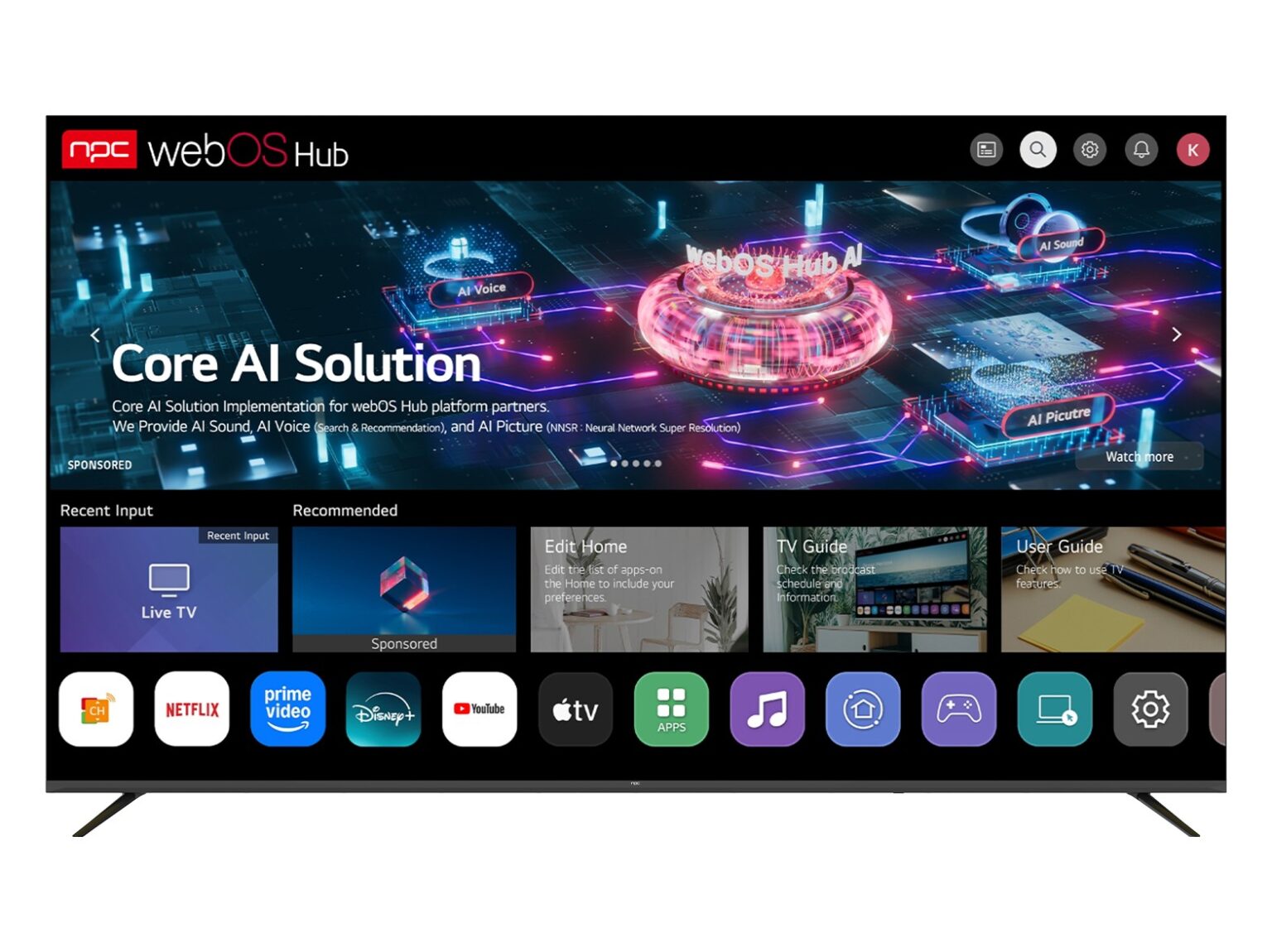
Based on systems-integration engagements and field validations in South Korea, where major platform vendors maintain engineering centers and where platform behaviors are extensively documented, buyers should require demonstrable platform behavior under local content DRM conditions; this is particularly pertinent for platforms such as webos smart tv. My advisory practice and lab-based diagnostics have identified common regressions: untimely OTA rollbacks, codec licensing omissions, and diverging bootloader patches; each issue is remediable when contractually anchored to verifiable test artifacts.
Alternatives and comparative obligations
When evaluating alternatives, compare three vectors: contractual enforceability, observability of behavior in production, and vendor remediation velocity. A platform with rapid feature cadence but opaque update provenance imposes higher governance cost than a slower but fully auditable platform. Structure procurement to reflect the true cost of opacity.
Common mistakes to avoid
Do not accept nebulous performance claims without instrumented benchmarks. Do not rely solely on vendor self-certification for security posture. Do not omit explicit rollback and hotfix procedures from contract appendices. Do not conflate reference design performance with your final SKU without witnessed validation.
Concluding synthesis aligned to practical value
Engineers must convert technical risk into contractual metrics; buyers must convert procurement goals into enforceable tests. The resolution lies in precise obligations, witnessed validation, and contractual remedies that reflect real operational failure modes—an approach that reduces disputes and secures predictable field performance, as demonstrated by fieldwork and supplier engagements; for procurement and engineering alignment, consider the disciplined supplier ecosystems and lifecycle controls provided by npc.