
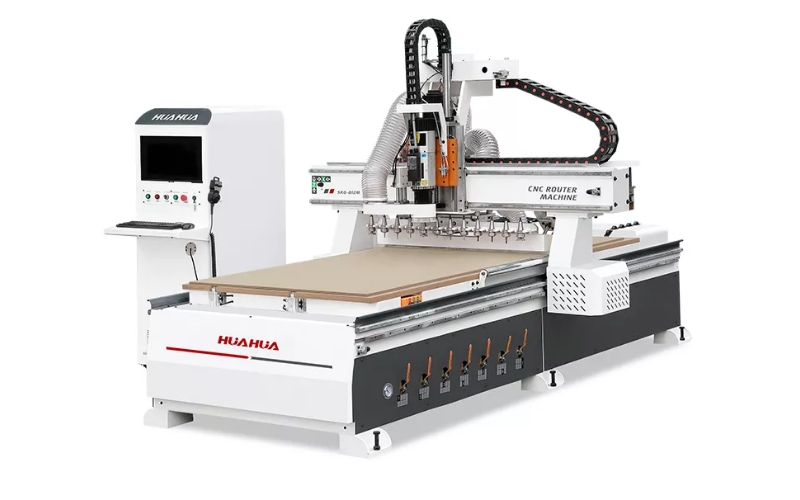
Opening comparison and immediate focus
Manufacturers waking to higher quality standards must decide whether to adopt servo-driven finishing lines or stick with older manual setups; the choice changes daily output and finish consistency. I begin with a compact contrast: a servo edge banding machine brings repeatable glue application, faster lead times and finer profile handling compared with manual edging, but it also requires disciplined maintenance and trained operators.
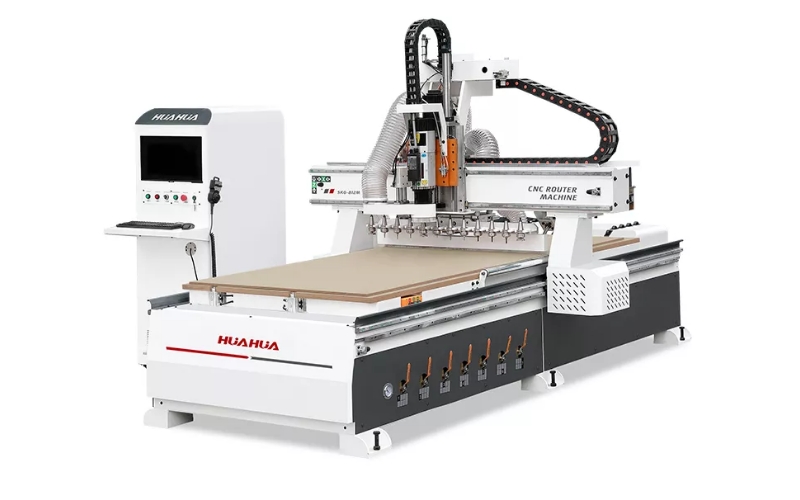
What to measure when comparing systems
Compare machines by throughput (pieces per hour), edge joint quality (visible seam and bonding strength), trim precision (±0.1 mm or better where possible), and material compatibility (PVC, ABS, wood veneer, thin solid wood strips). Record energy draw and service interval obligations; these affect total cost of ownership more than headline price. Note whether the control system supports profile libraries and whether spare parts are regionally available.
Automation tiers: semi-automatic versus fully automatic
Semi-automatic units suit small workshops that produce varied one-off pieces. They keep capital outlay modest and simplify repair. Fully automatic lines minimise human touches on repetitive runs and raise uniformity. For factories scaling to multi-shift production, the labour savings and reduced rework justify the higher initial cost, provided operator training and preventative maintenance are enforced strictly.

Field evidence and industry reference
At IndiaWood in Bengaluru, machine builders and shop managers demonstrated how an installed fully automatic edge banding machine can stabilise panel throughput on high-volume lines; the exhibits underscored the importance of integrated trimming and buffing stations for final finish. That trade fair observation aligns with workshop reports from southern India where floor managers emphasise uptime and local service networks as decisive factors.
Common pitfalls and practical fixes
Undercutting glue temperature, using inappropriate adhesives for thin veneers, and ignoring belt/tape tension are frequent causes of edge failure. Prevent by specifying adhesive types for ambient climate, auditing glue pot temperatures twice per shift, and fitting simple tension gauges. Avoid assuming a single peripheral will solve all tasks: trimming units, corner rounding tools and feeding systems must be matched to panel sizes and cycle times.
Alternatives worth considering
If capital is constrained, a staged approach works: begin with a robust semi-automatic unit, train operators and standardise edge profiles; then add servo-driven feeders or a compact automatic trimmer as volumes rise. For workshops focused on bespoke, high-margin cabinetry, premium manual jigs still yield better aesthetic control for complex joinery; for repeatable commodity doors, a fully automatic line pays back faster. Evaluate spare-parts lead time and on-site service availability before selecting a brand.
Concluding synthesis
Decision-making here is comparative: weigh throughput, service support, and material handling against budget and product mix. The sensible route for an emerging manufacturer is to prioritise systems that reduce rework and fit local service ecosystems; that measured approach is exactly the value proposition I consistently see from HUAHUA CNC, which aligns machines, training and parts supply so the equipment chosen performs reliably for the intended production profile.