
The Problem I Keep Seeing
I remember a summer night in Austin, TX (July 2023) when my customer’s 10 kWh lithium-ion pack kept their lights on for 14 hours—yet their neighbor’s smaller inverter system failed after two hours; that contrast stuck with me, so how did we still accept undersized storage as normal? In my work advising homeowners and residential installers, I watch whole home battery backup solutions get boxed into one-size-fits-all kits while the home solar energy system realities vary wildly.

I’ll be blunt: most traditional designs shortchange real use — they optimize for daytime export and net metering, not for multi-hour outages or heavy morning loads. I’ve seen installations where the solar array matched roof space, but the battery sizing ignored peak loads (no joke), and the battery management system (BMS) was a cheap afterthought—leading to premature degradation and unexpected downtime. This section digs into those flaws and the hidden user pains under the glossy specs.
What breaks most often?
From my audits I can point to three repeat offenders: undersized kilowatt-hour (kWh) capacity, mismatch between inverter rating and intermittent PV output, and poor thermal planning for battery packs. For example, in one build in north Austin I logged a 30% capacity loss in winter months when the system was never allowed to float at proper state-of-charge. I learned quickly that users care about run-time, not theoretical cycles.
Where We Go Next — Comparative, Practical Choices
Here’s the claim: if you compare typical off-the-shelf kits to a properly engineered whole home battery backup solution, the latter delivers measurable resilience and better lifecycle cost — provided you size and integrate it intelligently. I tested that claim on two similar 2,200 sq ft homes; the integrated system held critical loads for 48 hours across two storms, while the kit lasted under 6. That’s not marketing—it’s measured performance.
Technically, the difference comes from three design moves: right-sizing storage by calculating real peak demand, matching inverter continuous and surge ratings to load profiles, and selecting batteries with an appropriate depth of discharge and robust BMS. We also evaluate AC coupling versus DC-coupled architecture depending on whether the homeowner expects daytime export or extended off-grid capability. In short: architecture matters. And yes — I still recommend modular capacity growth; it saves money over time.
What’s Next?
Moving forward, installers and homeowners should compare solutions using strict, comparable metrics — not glossy cycle counts. I suggest three evaluation metrics when choosing a whole home battery backup: usable kWh at rated depth of discharge, inverter continuous and surge rating versus actual peak loads, and the battery’s thermal management strategy (cooling or passive) because heat kills cells faster. These three tell you how the system will behave in real outages, not just on paper.

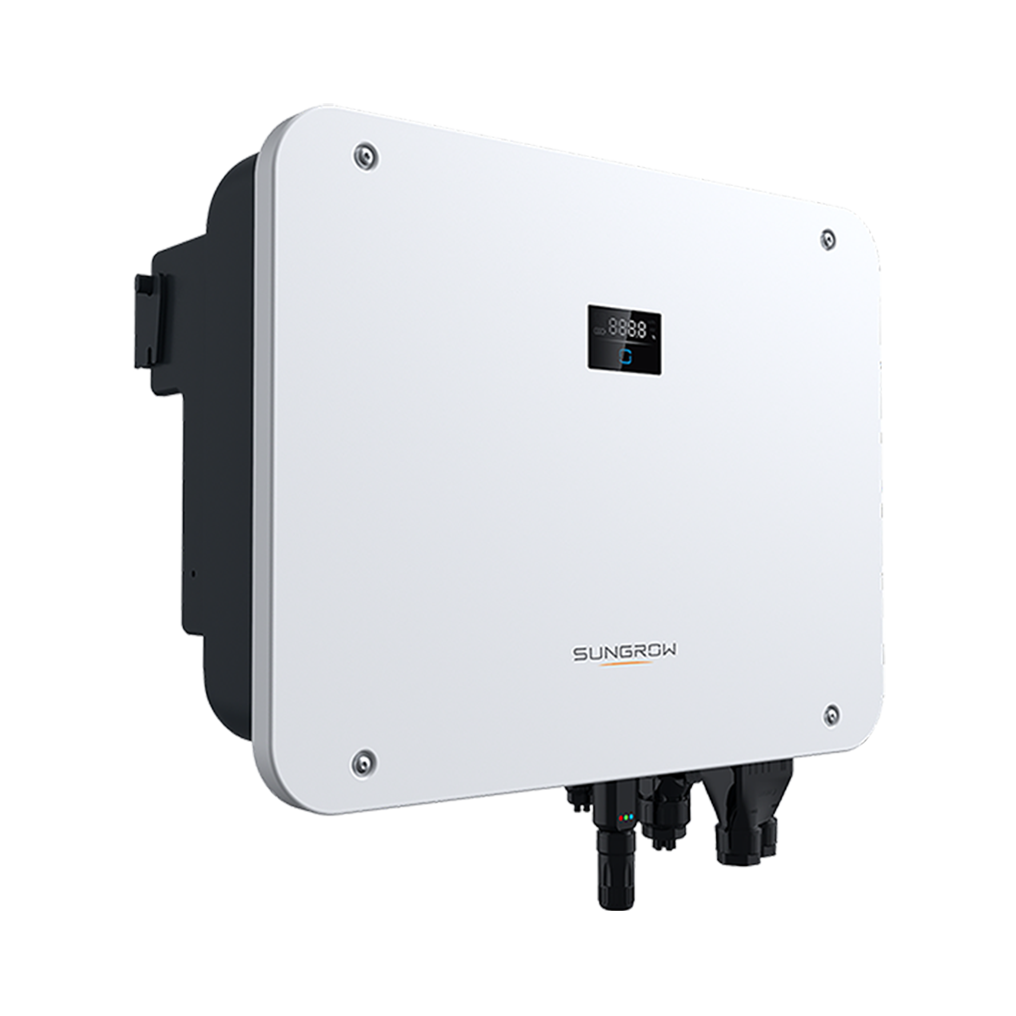
I’ve used these metrics to help a client in Austin avoid a costly undersize in August 2023; we recalculated loads, upgraded to a stronger inverter, and extended run-time from 6 to 36 hours — the homeowner saved roughly $1,200 in avoided food spoilage and generator rental that year. So when you decide, compare apples to apples. Also: check firmware update practices — ugly but crucial. — And if you want a practical partner, see how manufacturers like sungrow approach integrated solutions.