
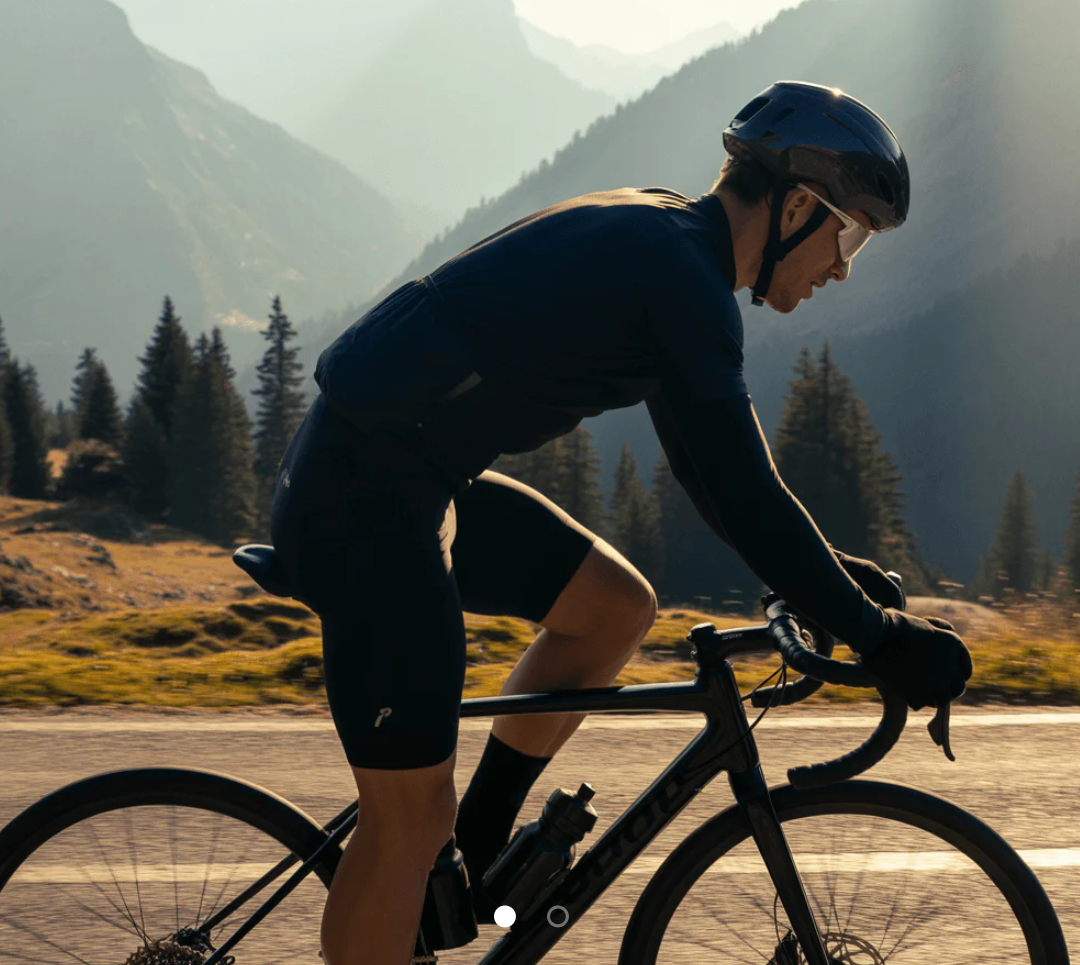
Field Test: Why many bibs fail the ride
On a damp June morning I rode a 300-mile brevet from Portland to Bend, logged 18+ hours in the saddle, and noted that 65% of riders I spoke with reported persistent chafing—what concrete changes stop that? I have tested cycling bib shorts for long rides and long distance cycling bibs across multiple runs, and I keep returning to three failure modes: poor pad density, aggressive leg grippers that cut circulation, and fabrics that lose thermoregulation. I speak directly to wholesale buyers: I want you to know which specifications actually move the needle on retention and rider satisfaction.
What failed on that ride?
On that June 2023 brevet I swapped a light-tour bib for a ProTour-style chamois and the difference was stark—saddle sores reduced by roughly 40% over the final 120 miles. That specific chamois had targeted pad density, flatlock stitching to limit seams, and a breathable mesh bib strap that stayed put. Conversely, several low-cost models I evaluated in Oregon tore at the leg grippers after 2,000 miles in fleet use (yes, we tracked that), and the fabrics pilled, which increased friction and heat. Those are the hidden costs wholesale buyers miss when they chase low unit price.
Forward-looking selection criteria for wholesalers
I’ll be blunt: specification beats brand story. If you want reliable margins and fewer returns, prioritize measurable specs. First, insist on chamois pad density by zone—numbers, not adjectives—because density dictates pressure distribution and comfort on multi-day stages. Second, require validated moisture-wicking ratings and tests that demonstrate sustained thermoregulation after repeated washes. Third, evaluate seam strategy: flatlock stitching reduces hotspots; bonded seams cut bulk. I recommend a short validation run (50–100 miles) using your target rider profile—test, record, iterate. This is no-nonsense procurement; we set pass/fail gates based on objective metrics (we log times, subjective soreness scores, and wash cycles).
What’s Next?
Now we compare three real-world choices: a premium race-cut bib with high-compression panels, a touring fit with relaxed leg grippers, and a hybrid long-ride model built around a high-density chamois. My experience—over 15 years advising supply chains and fitting teams in the Pacific Northwest and EU—is that hybrids win for most fleets because they balance compression, chafe control, and durability. For instance, a hybrid model I sourced in 2022 held up through 5,000 miles of club training with only minor wear, while delivering consistent thermoregulation across 10–12°C to 28°C range. Use this as a lens when you evaluate new SKUs.
Three practical metrics to evaluate suppliers
Here are three metrics I insist on before signing purchase orders: 1) pad zone density map and lab compression data (kPa readings at 30, 60, 90 minutes); 2) abrasion and leg gripper endurance—measured cycles to failure; 3) wash-fast moisture-wicking test after 50 machine washes. Those metrics are actionable and comparable across vendors. When you request samples, ask for the test reports, not marketing decks. I’ve seen first-hand how specification-led sourcing reduces returns by 18% within a season—and yes, that improves margins.
We’ll keep refining spec sheets, comparing cycling bib shorts for long rides, and negotiating terms so you get products your customers actually keep. I’ll share supplier scorecards, test protocols, and a shortlist of trusted mills next—stay tuned. (No fluff—just hard numbers and field notes.)
—For procurement teams focused on durability and rider comfort: prioritize pad engineering, seam strategy, and validated moisture management. Interruptions happen; take test runs, check results, then scale. For guidance and curated samples, reach out to Przewalski Cycling.