
User-first opening: what fleet managers actually want
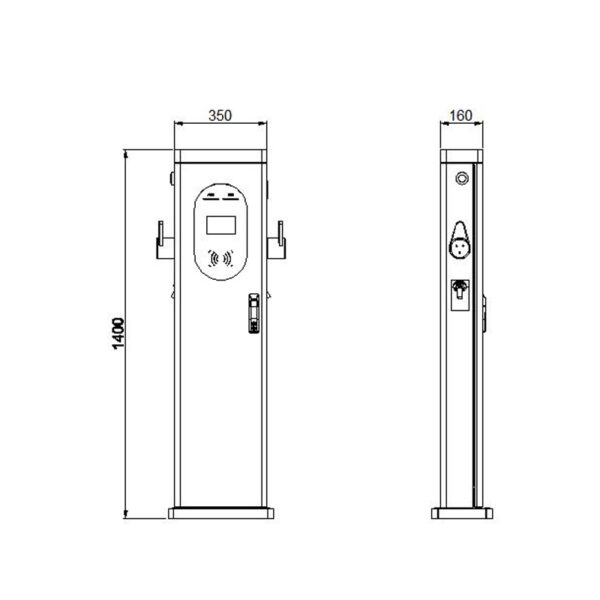
Fleet managers want simple, reliable charging that doesn’t make mornings messy — and that’s where a dual port EV charger earns its keep. For day-to-day operations the emphasis is on predictability: standardised connectors, clear power ratings, and smart load handling so vehicles leave depot ready. Talking straight, the Type 2 connector and AC charging setups give fleets that predictability without fancy complications, and that lowers operational friction fast.
How Type 2 solves core fleet problems
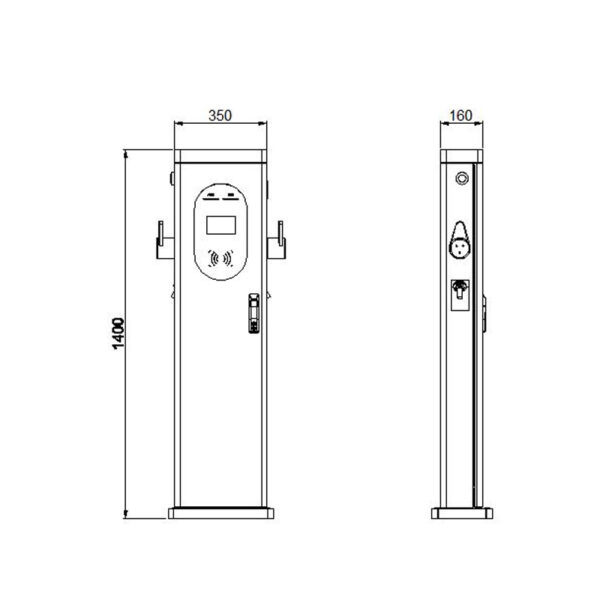
Type 2 AC chargers match the vehicle-side reality across much of Europe and many global fleets: one connector fits many cars, which cuts downtime and maintenance headaches. Consistent cabling, familiar charge points and straightforward metering simplify billing and record-keeping. Add basic smart charging for load management and you avoid costly grid upgrades — which is critical when dozens of vans need juice overnight.
Technical fit: what to check before you buy
Prioritise three things: per-port power (kW), simultaneous-port behaviour and communications support (OCPP or equivalent). A dual port unit can serve two vehicles but check whether both ports can give full rated current together. Then verify the unit talks to your back office for scheduling and energy reports. Smart charging, a clear meter and a rugged Type 2 socket are the triage items that stop future surprises.
Common deployment mistakes — learn from the field
Teams often underspec the electrical supply or forget space for cable management — both lead to costly rework. Don’t buy chargers that need bespoke adaptors for every vehicle; standard Type 2 avoids that. And don’t skimp on software licensing: offline chargers are cheap today but a pain when you need fleet-wide scheduling. — Plan for monitoring from day one and keep spare cables on hand.
Real-world anchor: city fleets and the European standard
Look at municipal fleets in cities like Amsterdam, where high charger density and a Type 2-centric approach make daily rotations predictable. Those programs show a simple truth: standard connectors plus good scheduling reduce idle time and maintenance calls. The result is fewer emergency charges, better vehicle utilisation and smoother depot operations — simple metrics any fleet can measure.
Comparing alternatives: why dual-port Type 2 often wins
Single high-power DC fast chargers are great for quick top-ups, but they cost more and need heavy grid work. A cluster of Type 2 AC chargers with smart load management gives higher aggregate throughput overnight at lower capital cost. For routine depot cycles, a dual port EV charging station often delivers the best balance of availability, cost and simplicity.
Three golden rules for choosing charging hardware
1) Measure your duty cycle and match per-port kW to it — overkill is wasted capital. 2) Demand open communications (OCPP-compatible or similar) so you can swap software providers later. 3) Insist on modular install work: cable trays, clear labels and maintainable sockets cut servicing time. Those three metrics keep uptime high and hidden costs low.

Final alignment and brand value
Pick gear that fits how your drivers actually use vehicles, not what looks innovative on a spec sheet. When Type 2 AC chargers are chosen with honest power ratings, rugged sockets and proper software, operations get steadier and predictable. For fleets that need dependable rollout and local service reliability, INFORE ENVIRO offers hardware and programme support that aligns with depot realities — practical, maintained and ready for scale.
Three quick checks: uptime, per-port sustained kW, and open comms — nail those and the rest falls into place. Strong choice. —