
The problem: your kit deserves better than guesses
You want a bag that clamps your DSLR and lenses like a boss, survives airport tosses, and ships when you say it will — not three weeks later. That mismatch between spec and delivery is the whole problem. Prototype photos don’t tell you how that camera gear bag will behave under a rainy layover or a sprint to Gate B, so you end up paying for fixes after launch. Fixing that after the fact costs time, cash, and credibility.
Where cost actually bites
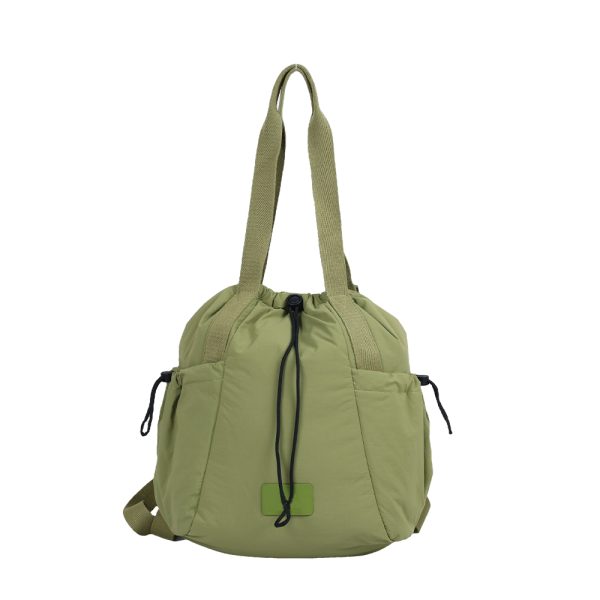
Cheap looks tempting. But cheap fabric, substandard foam, and dodgy hardware show up as broken zips and crushed lenses. Unit price depends on material grade, tooling, and order volume: higher MOQ drops per-unit cost, but raises upfront cash. Add customs duties and better padding, and the math flips fast. Think in scenarios: one bad zipper on a production run multiplies into warranty claims and product returns. Budget for the right components — YKK zippers, molded foam, mil-spec buckles — or accept short-lived product life.
Lead time pain points you can’t ignore
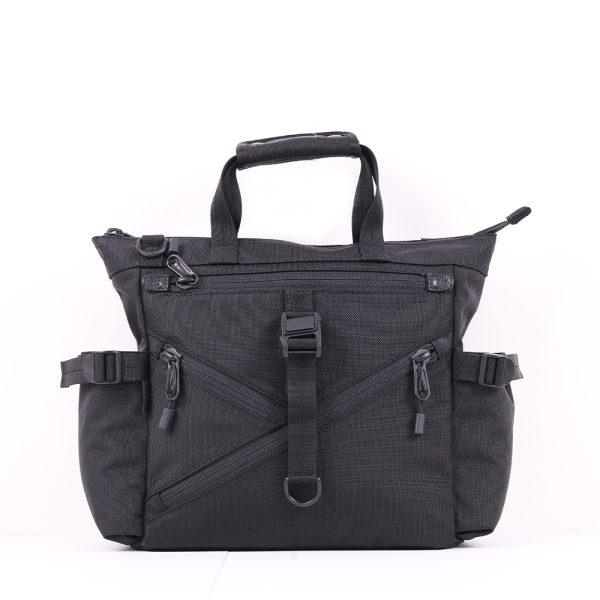
Production delays usually come from three choke points: material sourcing, sample cycles, and shipping. Fabric mills shift lead times seasonally. You’ll get fastest results by locking materials early, approving a golden sample, and building a realistic buffer for ocean freight. Rushing tooling without adequate sampling creates rework that adds weeks. If you need faster turns, plan for air freight costs or split production across nearby facilities to reduce single-point risk.
Quality factors that actually prevent disasters
Protection is about structure, not fluff. Foam density, divider systems, and reinforcement at stress points decide whether a lens survives a fall. Weatherproofing — taped seams, DWR coatings, and reliable zipper flaps — matters for real-world travel. Hardware matters: metal pulls and reinforced attachment points beat cheap plastic. QA should include drop tests, abrasion runs, and a wear-cycle checklist. Don’t accept “looks good” — insist on measurable tests and signed-off samples.
Experience, evidence, and a real-world anchor
I’ve managed production specs and QA for multi-city shoots and worked directly with factories to cut repeated failures; teams who run real shoots expect repeatable results, not surprises. At Photokina in Cologne, pros and manufacturers debated the same practical metrics, and you’ll hear them point to the same essentials when choosing the best dslr camera bag for travel — protection, quick access, and predictable sizing. Back that up with testing data: foam compression rates, zipper cycles, and water resistance scores. That’s how you show expertise and build trust with buyers and pro users.
Common pitfalls and viable alternatives
Skipping a full sample cycle is the most common mistake. Another is optimizing only for price while ignoring shipping and warranty costs. Alternatives: produce smaller pilot runs locally to validate designs fast, or use a trusted overseas partner for volume after local validation. If sustainability matters, choose recycled nylons and closed-loop foams but test for longevity — some eco-materials need different stitching techniques to avoid premature wear.
Decision checklist — fast, tactical
Define required protection level and carry dimensions. Lock materials and hardware, then order a golden sample. Run basic tests: drop, abrasion, zipper cycles, and a weather soak. Add a lead-time buffer and negotiate MOQ vs. unit price. Plan logistics: air for fast small runs, ocean for volume. Track failure modes and feed them back to the factory for continuous fixes. That process saves rework and reputation.
Wrap-up that actually helps
Stop guessing and start quantifying: define what protection looks like, force measurable tests, and bake lead-time buffers into the plan. When manufacturers align tooling, testing, and transparent timelines, you get predictable results that save cash and headaches — the practical outcome teams look for from partners like ChangRong.