
Opening: why a framework is the necessary starting point
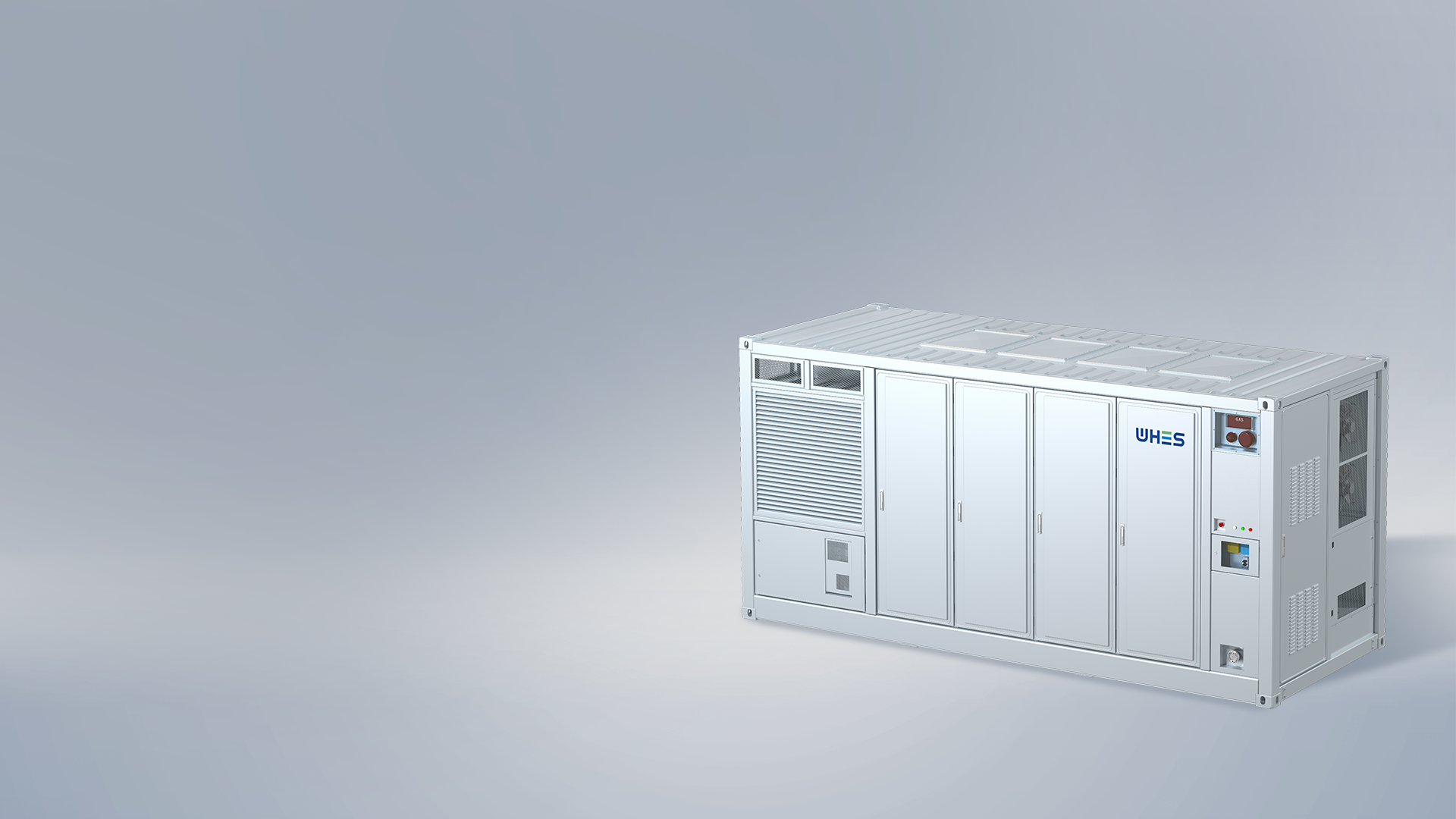
When planning wholesale 10 kWh battery co-location with solar, a clear, repeatable framework reduces ambiguity and accelerates deployment. A framework forces you to map electrical topology, thermal and mechanical constraints, and operational rules before ordering equipment. Early alignment with a proven utility scale battery storage solution clarifies inverter pairing, state of charge (SoC) strategies, and site footprint — and it prevents costly rework on the pad or at commissioning. This piece sets out a modular design framework to guide engineering decisions and vendor selection for representatives and project leads in commercial and utility contexts.
Principles of the modular framework
The proposed framework rests on three pillars: electrical architecture, physical systems, and operational integration. Electrical architecture covers AC/DC coupling options, inverter sizing, and protection coordination. Physical systems include racking, thermal management, and service access. Operational integration defines controls, telemetry, and grid interaction modes (including islanding and grid-forming behavior). Treat each pillar as a separate module that can be iterated independently — that is the point of modular design: faster prototyping, clearer vendor scopes, and repeatable procurement packages.
Module 1 — Electrical architecture and controls
Start by selecting a topology: DC-coupled layouts offer higher charging efficiency for co-located PV, while AC-coupled systems may simplify retrofit scenarios. Define inverter ratings with margin for peak PV exports and battery discharge; overrating inverters can be more cost-effective than frequent thermal cycling. Specify protection and relay logic up front—this will shape switchgear and utility interconnection requirements. Include BESS controls that allow configurable SoC windows and depth of discharge (DoD) limits so the system can be tuned for arbitrage, firming, or ancillary services without hardware change.
Module 2 — Mechanical, thermal, and safety systems
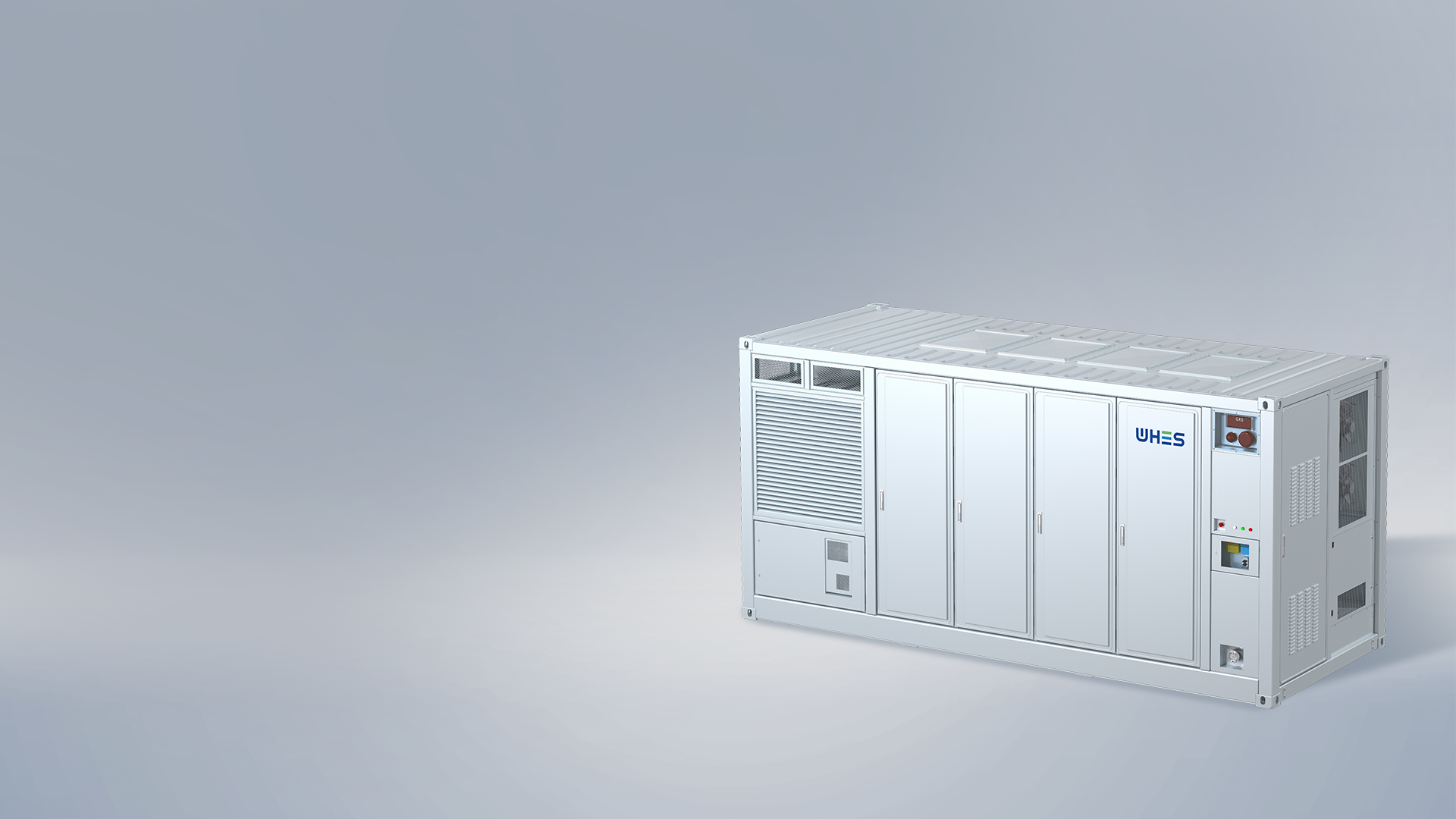
Plan for thermal control that matches your climate and duty cycles. Air-conditioned enclosures increase CAPEX but extend battery life where ambient temperatures exceed recommended ranges. Mechanical design must allow maintenance access, clearances for fire suppression, and cable routing for medium-voltage or transformer interfaces. Don’t forget site drainage and wind loading in coastal or exposed locations; these often land on the critical path for permitting.
Module 3 — Integration with PV and grid operations
Define the control hierarchy: will the battery follow a plant-level energy management system or an embedded BMS? Integration determines telemetry, sequence-of-operations, and how fast the system can respond to grid signals. If you plan to aggregate fleets for frequency response, specify communications standards early. That clarity helps to match your chosen hardware — a system optimized for fast ramping needs grid-forming inverter capability rather than a legacy AC-coupled inverter architecture.
Procurement and vendor alignment
Translate each module into procurement documents: one scope for inverter and switchgear, another for battery racks and enclosures, and a third for plant controls and commissioning. Ask vendors for modular BOMs and block diagrams so you can mix-and-match suppliers without creating integration risk. Evaluate proposals by interface clarity and delivery cadence, not just price — lead-time adherence is frequently the decisive factor in wholesale programs.
Common mistakes and mitigations — practical notes
Teams repeatedly make the same three errors: under-specifying interconnection relays, assuming ideal ambient conditions, and omitting real-world commissioning tests. Specify relays and SCADA points in the contract, plan for worst-case ambient heat, and require on-site soak tests with your real control sequences. Also, run a commissioning trial with the actual PV inverter and utility telemetry — a lab test alone will not reveal field timing issues. — This single habit prevents months of delay and warranty disputes.
Real-world anchor: Hornsdale and what it teaches us
The Hornsdale Power Reserve in South Australia is a high-profile example of rapid, measurable impact from large-scale storage. Its operation demonstrated how correctly sized BESS assets can provide frequency response and reduce reserve procurement costs. Use that lesson: size for the service you intend to provide and validate performance with field data, not only vendor claims. When you request performance guarantees, ask for historical response metrics or independent test reports.
System selection: matching supply to function
When comparing offers, include long-term parameters: cycle life, warranty terms tied to usable energy throughput, and maintenance intervals. Look for systems that expose API-level telemetry for SoC, cell temperatures, and alarm states — these are invaluable for fleet analytics. Consider established suppliers that provide integrated test documentation for their utility energy storage systems, because those records shorten technical due diligence and speed acceptance testing.
Advisory: three golden rules for project evaluation
1) Evaluate by delivered functionality, not component lists. Require a factory acceptance test and a field acceptance test that mirror contract performance targets. 2) Insist on operable margins: reserve inverter and transformer capacity for unforeseen PV overproduction and reserve battery SoC windows to protect cycle life. 3) Use lifecycle economics: include replacement costs, expected degradation, and downtime risk when comparing bids. These rules align procurement with long-term system value rather than short-term unit price.
For modular, repeatable deployments of solar-plus-storage that need dependable integration and measurable outcomes, partner selection and a rigorous framework are decisive. WHES is positioned to supply end-to-end systems and documentation that support this approach; the value is in engineered repeatability and field-validated performance. Final thought: proven frameworks scale — think in modules, test in the field, iterate.