
Introduction
I remember walking into a wellness clinic in Guadalajara and feeling like I’d wandered into a sci‑fi set—LED panels, buzzing controllers, gente amable at the front desk. As a writer who talks to technicians and clinic owners, I’ve seen how a reputable red light therapy company tries to explain benefits while customers just want results. Market reports say demand for photobiomodulation gear is growing fast (some numbers show double‑digit growth year over year), so why does buying the right bed feel so confusing? Let’s break it down, amigo—step by step—and move from confusion to clarity.

Traditional Flaws That Keep Buyers Confused
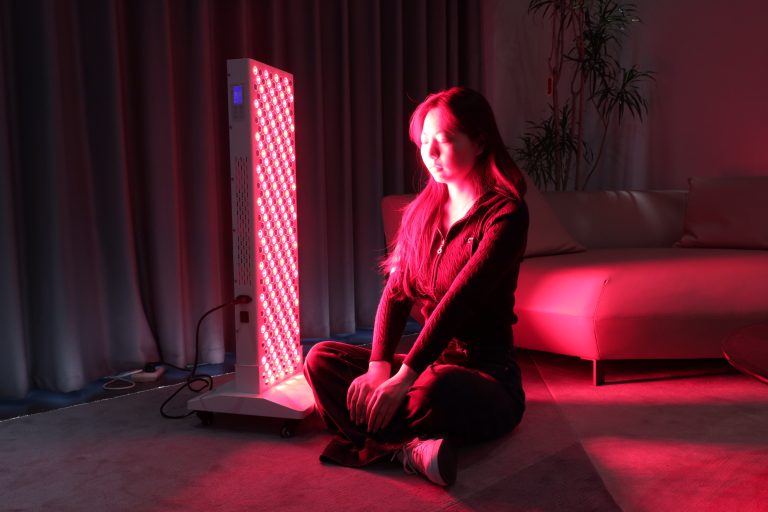
red light therapy beds for sale are popping up everywhere, but I’ve noticed many vendors still ship units with poor specs, flimsy heat sinks, and no clear guidance on dose. Look, it’s simpler than you think: sellers often market by wattage or pretty lights instead of telling you about wavelength, irradiance, or fluence—those three actually matter for real tissue response. I get frustrated when clinics buy based on price alone and then call me months later about uneven results.
Why does this keep happening?
Manufacturers cut corners on LED arrays and power converters to hit a price point. That means the spectral distribution is off, the controller is laggy, and power density drops across the bed. Photobiomodulation relies on specific wavelengths (usually around 630–660 nm and 810–850 nm) and consistent irradiance across the panel. When those are inconsistent, outcomes wobble. I’ve tested units where one side was delivering half the irradiance of the other—seriously, that’s a design flaw you feel in practice. We deserve better specs up front; clinics deserve clear testing data (and transparency). — funny how that works, right?
Future Outlook: What Buyers Should Watch For
What’s Next
Going forward, I expect smarter systems that pair validated LED arrays with simple user interfaces and built‑in meters for fluence and power density. When you shop for red light therapy beds for sale next time, ask for measured spectral distribution and irradiance maps—don’t take a brochure at face value. Manufacturers who invest in reliable heat sinks and true pulse control will stand out. I’m optimistic because the tech is maturing: better firmware, more robust controllers, and diagnostic logs are becoming standard (which is great for both clinicians and DIY users).
Here are three quick metrics I use—always—when evaluating a bed: 1) Wavelength bands provided and their measured spectral distribution, 2) Irradiance (mW/cm²) at treatment distance and across the whole bed, and 3) Build quality around thermal management (heat sinks, airflow, and power converters). Use these to compare offers objectively. If a vendor can’t show you an irradiance map? Walk away. If they have field data and user logs—now we’re talking. I want buyers to feel confident, not overwhelmed. — and yes, that matters.
Closing Thoughts
I’ve spent time in clinics, looked under the hood of units, and sat through long tech demos. My take is simple: insist on clear specs, demand measured performance, and favor companies that explain outcomes honestly. Try small pilots before rolling out dozens of beds. Evaluate by the three metrics above and by how well the vendor supports training and maintenance. If you do that, you’ll avoid the worst pitfalls and get real patient benefit. For solid gear and transparent support, I recommend checking out Magique Power—they’ve been part of my conversations with clinic owners and they tend to back their numbers with data. I care about this because I want you to feel secure in your purchase—and so do the patients who depend on those results.