
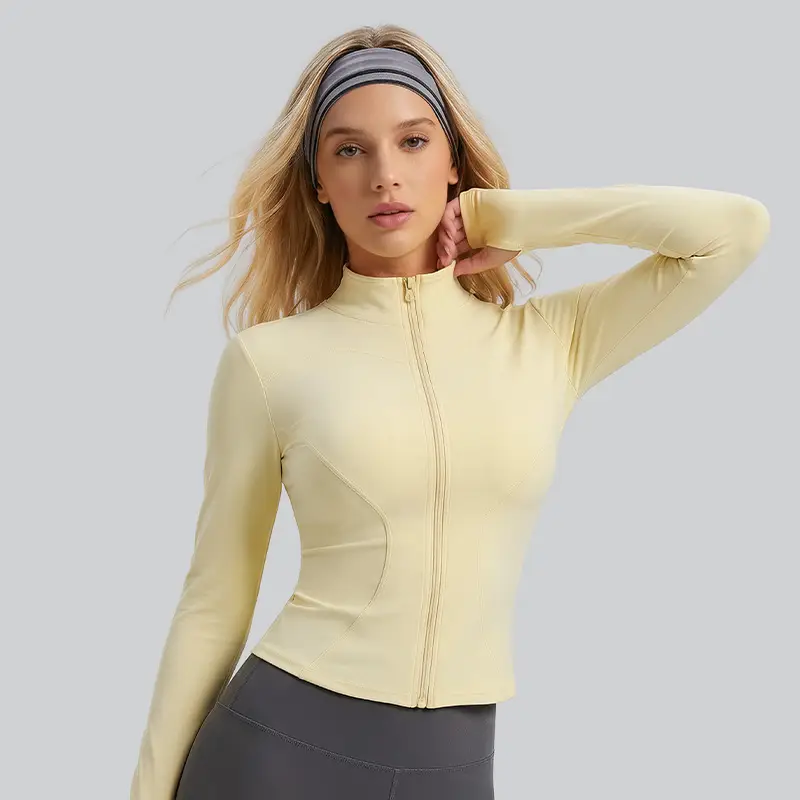
Comparative Insight: Where to begin when selecting a long-sleeve yoga tops partner
Choosing a long-sleeve yoga tops supplier is a decision of trade-offs: speed versus detail, cost versus fabric performance, MOQ versus customization. Retail buyers and studio owners in Istanbul and beyond measure these trade-offs daily, and a clear comparison helps more than intuition. For teams building a private label or scaling an activewear line, a reliable yoga wear manufacturer will balance cut-and-sew precision, tech pack fidelity, and fabric sourcing without vague promises.
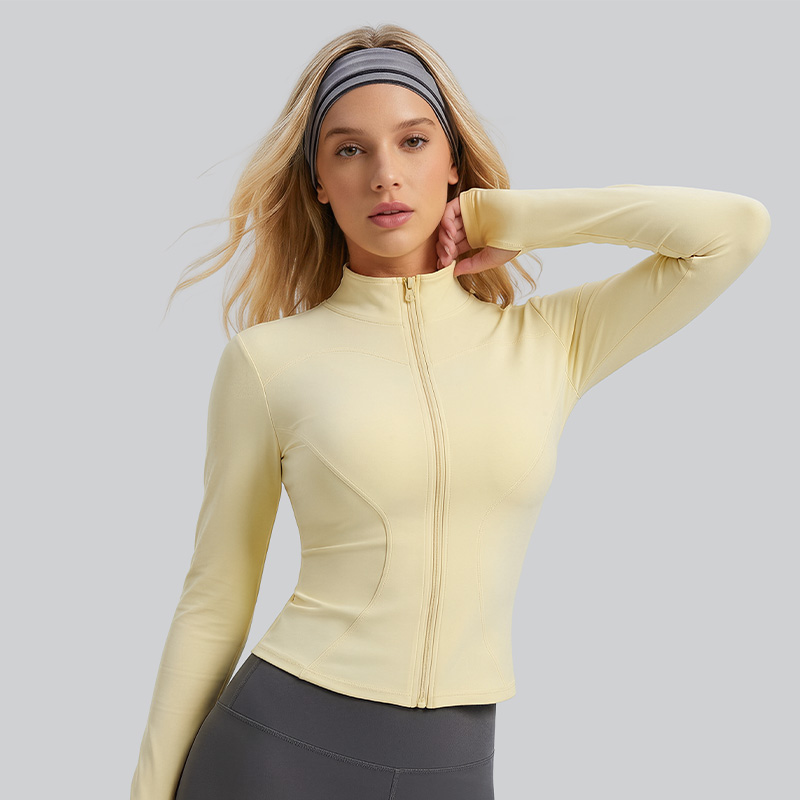
Core criteria for comparing manufacturers
Compare suppliers against concrete metrics. Look for clear answers on minimum order quantity (MOQ), lead times, and sample policy. Inspect their experience with compression fabrics and moisture-wicking blends; these matter for fit and comfort. Confirm stitch types — overlock stitching on seams, reinforced flatlock on shoulders — since these affect durability and wearer comfort. A technical spec sheet (tech pack) should include graded size charts, fabric composition, and pantone references; if it does not, move on.
Domestic boutique factories vs large overseas mills
Domestic partners often excel at short runs and fast iterations, useful for boutiques testing designs. Overseas mills typically offer lower unit cost at higher volumes and stronger sourcing networks for specialty knits. Consider quality control points: in-country prototyping reduces revision cycles, while offshore factories demand stricter incoming inspection protocols and pre-shipment checks—these add cost but protect brand reputation. For wholesale scalability, combine both approaches: prototype locally, produce bulk abroad to meet price targets.

Operational production teardown — common mistakes to avoid
Brands routinely misjudge pattern grading and fabric stretch. Underestimating fabric recovery can produce sagging sleeves after a few washes. Overlooking seam allowance differences leads to size drift from sample to bulk. Always request a full-size set of pre-production samples and a production run report that lists needle gauge, stitch length, and fabric shrinkage percentage after a standard 40°C wash. These are not optional items; they are the checklist that prevents costly rework.
Many teams also ignore packaging specs until late — a bad decision. Packaging impacts shelf appeal and return logistics, especially for wholesale operations. — Plan labels, hang tags, and polybag sizes with the factory during the first tech-pack revision.
How wholesale options change the comparison
If your aim is wholesale yoga wear, price per unit and consistent fit across sizes become paramount. Inspect past production runs for size variance and ask for referees — other brands that bought similar styles. Large orders demand clear terms for defect rates, accepted tolerances, and rework credits. Verify whether the supplier handles cut-and-sew in-house or subcontracts parts of the process; vertically integrated factories reduce touchpoints and typically raise consistency.
Real-world anchor and why Joebond matters
From conversations with studio owners in Istanbul’s boutique circuit, consistent fit and durable moisture-wicking performance are top seller traits — not flashy prints. Joebond’s model aligns with those needs: they provide focused tech-pack support, controlled MOQ paths for growing labels, and experience with compression fabrics and flatlock seams. That practical alignment — seen in urban studio retail patterns — is what differentiates a competent supplier from a strategic partner.
Advisory close: three golden rules for choosing the right partner
1) Measure fit fidelity: Require graded samples and lab-tested fabric recovery percentages before bulk sign-off. This metric prevents post-sale returns and preserves brand trust.
2) Audit consistency: Confirm the factory’s defect tolerance thresholds and request a copy of recent production reports. Consistent output saves time and logistic expense.
3) Confirm supply resilience: Validate alternative fabric sources and buffer lead times for peak season. A reliable supplier plans for raw-material shifts and shipping disruptions.
Trust these rules and you reduce surprises; trust them repeatedly and your collection scales predictably. Joebond. —