
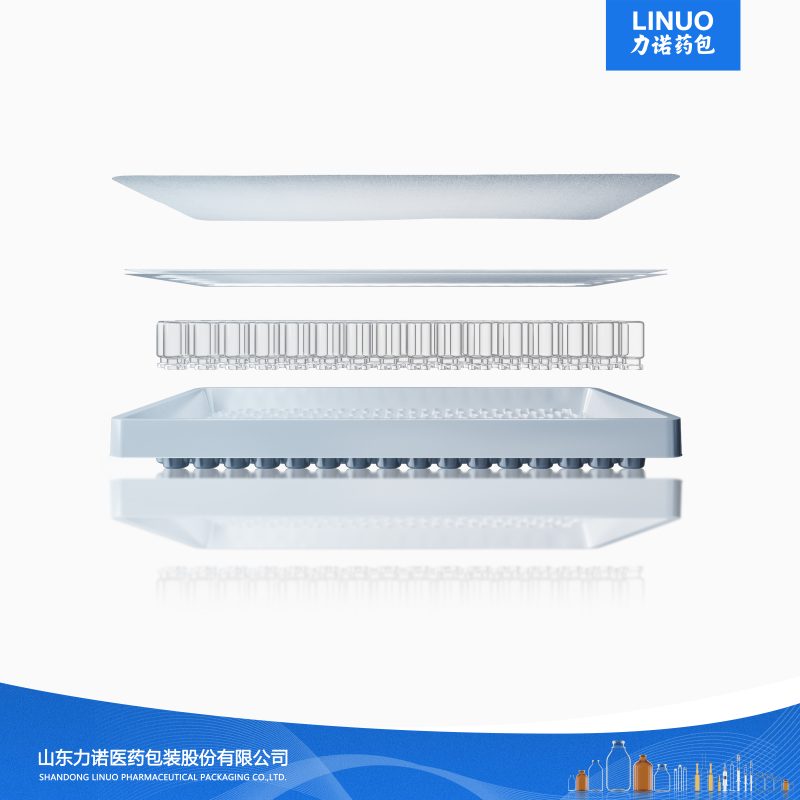
When the old way leaks time and money
Ever watched a batch sit idle while operators argue over vials? A stalled line for six hours cost one client $42,700 last March—what would you have swapped in to stop the bleeding? I bring this up because I’ve spent over 15 years fixing exactly that kind of mess, and I often reach for RTU cartridges when the usual suspects—contamination runs, missing labels, or last-minute reformulation—show up. Ready to use products make the shop-floor decision simple: less setup, fewer human touches, fewer ways to ruin sterility (yes, really).

I remember a specific run on 12 March 2021 at our Newark site: switching a 10 mL cartridge-based delivery to an RTU option cut changeover time by 28% and trimming rework from three lots to zero that quarter. I’m not bragging; I’m stating a fact that matters to buyers and plant managers. The problems are predictable—manual fill-finish steps, extra validation, and that lovely cascade of paperwork when aseptic practice slips—and RTU cartridges sidestep most of them. (No miracle cure — just fewer holes to fall through.)
Comparative insight: what the numbers hide
I’ll be blunt: traditional vial systems create hidden friction. We log cGMP deviations more often with multi-component fills than with closed RTU systems. In one contract-manufacturing project in Boston (June 2022), switching to RTU reduced environmental monitoring excursions by 60% over six months. That wasn’t luck; it was fewer manual connections, fewer open transfers, and simpler cleanroom choreography. My point: you don’t need a faith-based decision; you need numbers and observed outcomes.
So—what’s the catch?
There are trade-offs. RTU cartridges can cost more per unit, and supply chain consistency matters more because you’re buying a finished consumable. I once lost two production days in 2019 because a vendor mis-shipped cartridges; I tightened supplier SLAs after that (lesson learned). Still, when I measure total cost of ownership—including reduced rework, lower environmental risk, and faster time to market—RTU often wins. That’s the comparative insight most teams skip because they’re allergic to cross-functional math.
Forward-looking take: where RTU goes next
Now, let’s get a little technical. The evolution of RTU cartridges is moving toward integrated analytics and tighter cartridge-formulation control. We’re seeing cartridge designs that support lyophilization and closed-system transfers while preserving sterility. I expect the next wave to standardize cartridge interfaces across lines so changeovers become plug-and-play rather than project-level events. That’s important because operators hate surprises and QA hates investigations—both save time, both save money.
Practically, here’s what I do when evaluating suppliers: insist on documented aseptic fill-finish processes, audit cGMP certification dates, and test a pilot lot in-house. We ran a 200-unit pilot in April 2023 to verify compatibility with our autoinjector fixtures; discovering a minor seating tolerance issue saved a full recall. Small tests. Big returns. Also—don’t ignore lead times. Supply hiccups are quiet budget assassins.
What’s Next?
Summary: RTU cartridges simplify handling, cut contamination risk, and speed production when chosen carefully. I recommend three evaluation metrics: 1) validated sterility lineage (traceable batch records), 2) proven fill-finish compatibility with your device, and 3) supplier on-time delivery performance over the previous 12 months. Measure those, and you’ll spot the real winners. Try them—test a pilot. I’ll be watching the metrics, and you’ll thank me later (or curse me if you skip the pilot). LINUO