
Framing the Ride: A Technical Opening
Define the problem clearly: most city and backroad rides happen at low to medium speed, with stops, bumps, and slow corners. A vintage cruiser enters this scene with charm and weight, and sometimes with parts that were made for smoother times. In owner groups and field tests, the dominant data point is simple: comfort and control at low speed are what shape trust in the machine. It shows up in wrist fatigue, clutch hand strain, and vague steering when the road camber turns strange. When rake and trail are not matched to the load, or when the torque curve is peaky, confidence drops fast. This is not about raw power; it is about balance. The seat-to-peg-to-bar triangle, the first gear ratio, and the vibration damping at the grips all speak louder than spec sheets. We ride in imperfect conditions, and the bike must accept this reality (not deny it). So the question becomes precise: how do we remove what adds friction to the ride, yet keep the soul? Let us step closer to the mechanics of feel, and to the choices that actually change outcomes—quietly but consistently. Onward to the core pain points and their root causes.

Dissecting Hidden Pain Points Through the Classic Bobber Lens
Where do comfort and control really fail?
The classic bobber strips a bike down to a stable frame, clear weight distribution, and a clean control layout. Direct point: less unsprung mass and fewer appendages mean faster feedback and fewer surprises. Look, it’s simpler than you think. Many riders chase plushness, but what they need is predictable input at the bars and pegs. When wheelbase, fork rake, and seat height cooperate, low-speed balance improves without a fight. EFI mapping that favors smooth initial throttle, a sane clutch pull, and a first-gear ratio that does not lurch—these reduce micro-fatigue across a whole day. The result is less wobble, more intention.
Hidden pain points often come from “comfort” fixes that pile on mass: giant windshields, wide crash bars, heavy bags. These shift feel at the steering head and slow response—funny how that works, right? Extra drag and weight ask the rider to correct more often. Meanwhile, classic bobber geometry keeps the conversation short: set rake and trail for stability, keep the steering light, and let the engine’s torque curve work with you, not against you. Even small changes in gear ratios or throttle progression can drop perceived effort by a big margin. The point is not minimalism for style, but for function. Strip noise from the system; keep signal. That is how a vintage platform stops arguing with the road.
Comparative Outlook: Where Technology and Heritage Meet Next
What’s Next
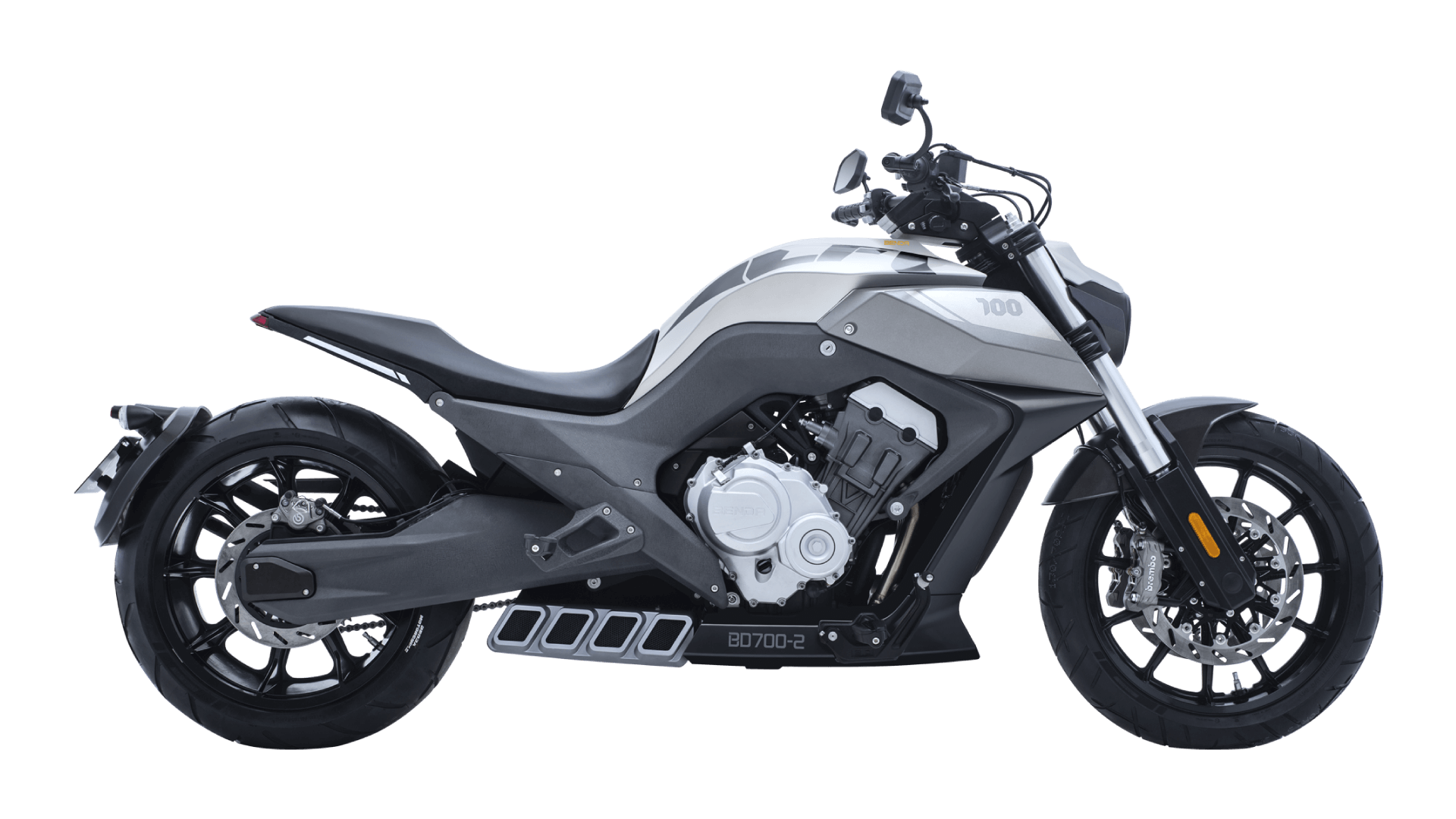
Forward-looking design now merges classic proportions with new technology principles. A light rim set trims unsprung mass, progressive springs widen the useful stroke, and better fork valving makes bumps feel smaller—without turning the ride vague. Frame updates that raise torsional rigidity keep lines clean through patched corners, while a tidy CAN-bus loom reduces electrical clutter (and diagnostics are faster). In this context, a well-sorted classic bobber motorcycle becomes a benchmark: silhouette stays pure, yet feedback is modern. Add a slipper clutch for calmer downshifts and match EFI to low-RPM roll-on. The goal is not to chase gadgets. It is to protect feel under real loads—small thing, big effect.
Comparatively, heavy touring setups promise shelter but trade away agility; lean bobber-informed builds protect the rider’s focus. We have learned that the true gains live in the first meters: initial throttle, first-gear control, and steady steering on broken surfaces. To choose well, use three simple metrics: 1) low-speed stability you can sense in hands and core, 2) NVH control at grips and seat across your daily route, 3) service time for routine tasks—minutes, not hours—because tools tell the truth. Measure these, and the right path shows itself. Heritage stays. Effort drops. The ride becomes calm, then precise. For those tracing this balance in current models and parts catalogs, one name often appears in the conversation without noise or hype: BENDA.